

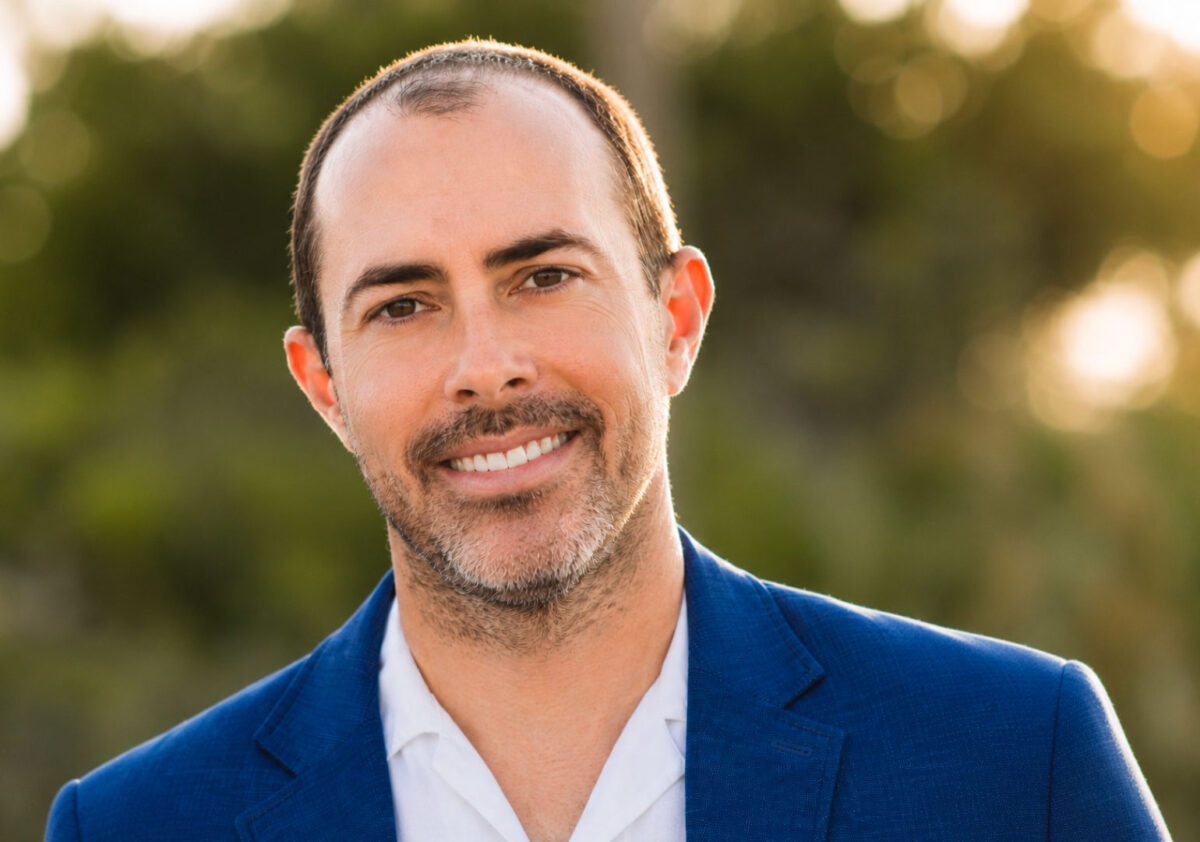
Most fashion week coverage starts at the runway. Forbes started with the systems underneath it.
In “Beyond the Runway: How Brady King Is Using Technology and Marketing to Reimagine Fashion Week,” Forbes profiles Brady King, co-founder and president of The Bureau Fashion Week, the producer of officially calendared, publicly ticketed fashion weeks in New York, Los Angeles, and Paris. The subject isn’t a season. It’s the operating model: ticketed runway shows, VIP experiences, and immersive events, built on infrastructure designed to scale.
“He’s always asking how we can innovate and stay ahead of where the industry is headed.”
— Krissy King, Co-Founder of The Bureau Fashion Week, in Forbes
No Longer the Entire Stage
For decades, fashion week ran as a closed room: a trade ritual staged for buyers, editors, and industry insiders. Forbes traces how King rebuilt that model around the audience itself, opening the runway to the people who actually drive fashion’s culture and commerce. As the feature puts it:
“For Brady King, the runway remains the centerpiece, but it is no longer the entire stage.”
Marketing That Never Stops
“Rather than viewing marketing as something that begins once an event is announced,” Forbes writes, “King approaches it as an ongoing ecosystem.” Digital content, audience engagement, ticketing, and partnerships operate as one connected engine that runs all year, not just during show week. The result is demand that compounds from season to season instead of resetting to zero.
Technology That Enhances the Human Element
As fashion moves deeper into livestreaming, social media, and digital commerce, Forbes notes those capabilities are becoming “as important as the runway presentation itself.” King’s position is precise:
“Technology is not about replacing the human element of Fashion Week but enhancing it. Better systems can simplify operations, improve communication, expand audience reach, and create more meaningful interactions between brands and consumers.”
From ticketing to the tailored digital pathways that route designers, sponsors, media, models, buyers, and attendees to the right experience, the technology stays invisible so the show doesn’t.
A Framework Built to Scale
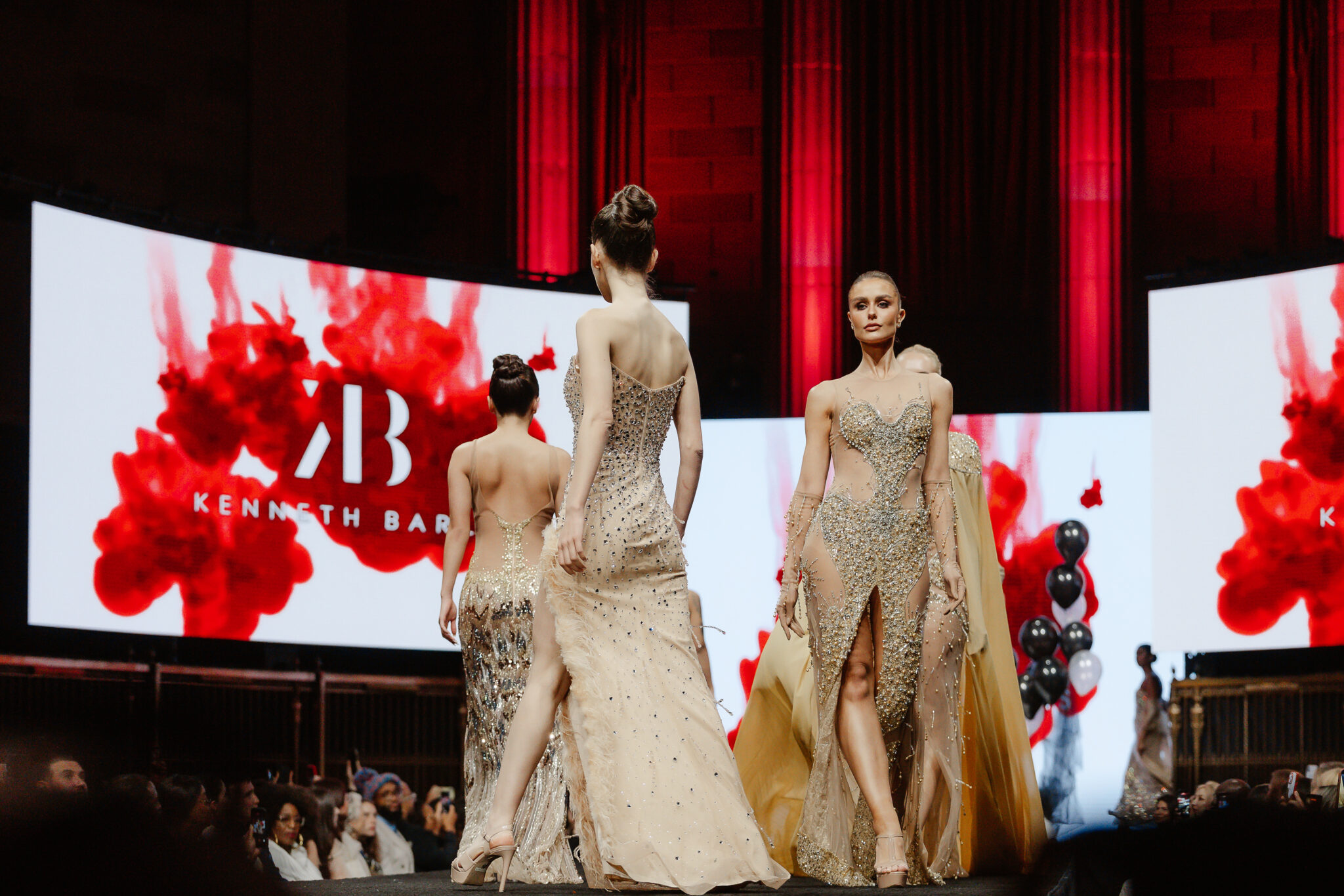
Underneath the brand, the feature finds infrastructure: repeatable process and systems thinking that let The Bureau Fashion Week stage hundreds of designers each season across three global markets, in front of 12,000–15,000+ in-person guests per event and millions more digitally, without diluting the production. In Forbes’ words, King has built “a framework that supports growth without losing sight of the customer experience.”
Next: The Bureau Fashion Summit
Forbes closes on where this is headed. In King’s view, fashion week is a year-round platform where creativity, business, and technology intersect — and the next step is already on the calendar. The Bureau Fashion Summit launches in June 2027: education, mentorship, and collaboration for designers, models, and the professionals who build the industry.
Read the full feature at Forbes →
One calendar. Three cities. Every date for the 2026–2027 season.
See the 2026–2027 Fashion Week Dates →
More coverage of The Bureau Fashion Week in the Newsroom.