

The Bureau — Field Guide
How to Become a Fashion Week Content Creator
You don't need a million followers. You need a camera, a point of view, and content that makes people want to be in the room.
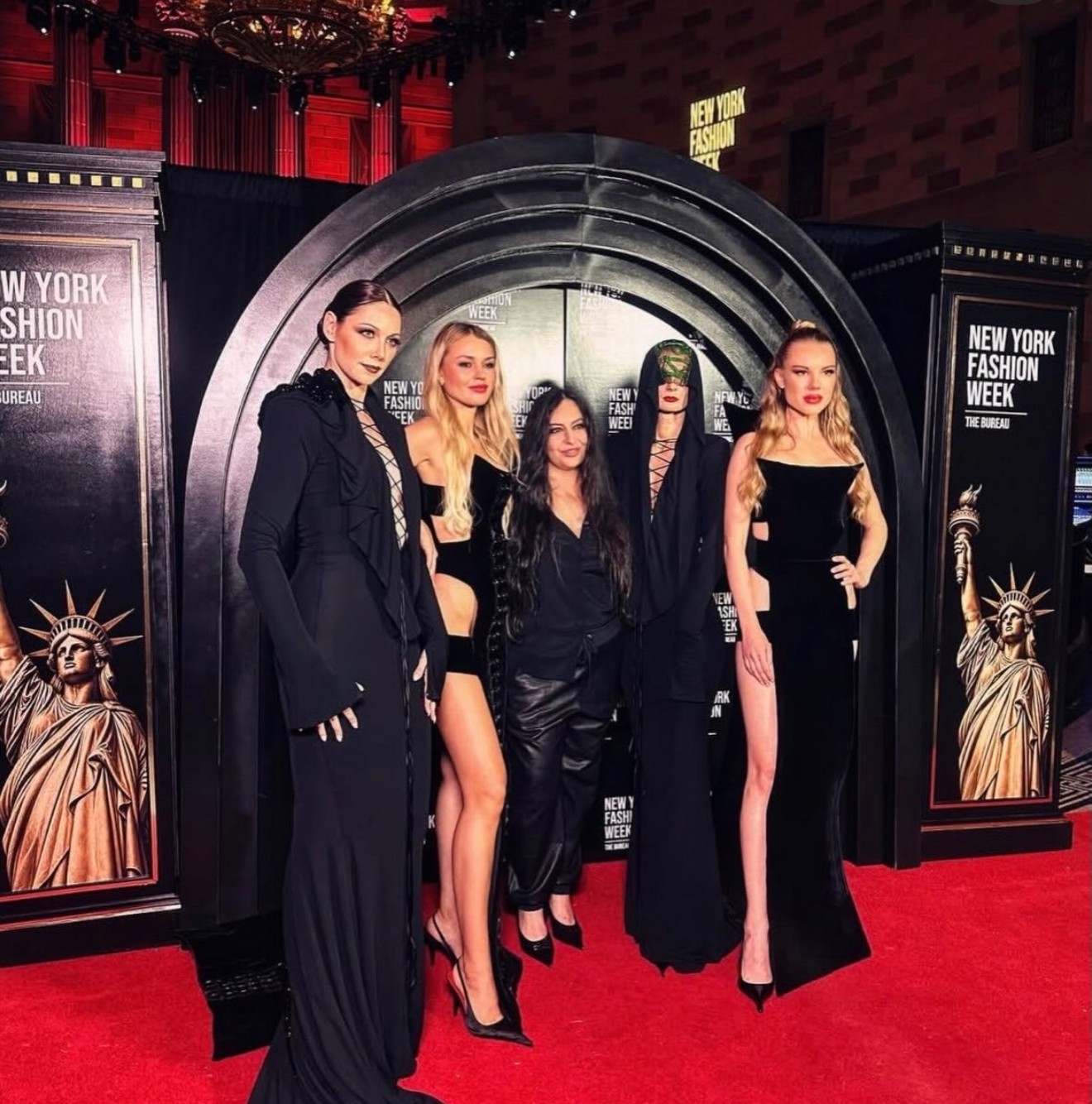 New York Fashion Week — The Bureau
Fashion week used to have one door, and a publicist stood in front of it. That era is over. Today the most valuable seat in the room often belongs to someone holding a phone — the fashion content creator whose thirty-second video puts more people inside the show than any press release ever could. Runway shows in New York, Paris, and Los Angeles now build creators directly into their media strategy, and the best programs pay them a share of the ticket revenue their content drives.
This guide covers how the fashion week content creator role actually works, what event producers look for, and the exact steps to go from posting for fun to getting paid — including how to apply to The Bureau Creator Program, which runs across New York Fashion Week, Paris Fashion Week, and Los Angeles Fashion Week.
The Bureau is uniquely suited to answer this. It produces officially calendared fashion weeks in three global markets, each season featuring hundreds of designers and drawing 12,000–15,000+ guests in person with millions more reached digitally — and unlike legacy fashion weeks, its shows are open to the public. No press credentials, no gatekeeping: a ticket is your access, which is exactly why the creator opportunity here is real.
What a Fashion Content Creator Actually Does at Fashion Week
A fashion week content creator produces short-form video — Instagram Reels and TikTok, primarily — around a fashion week event: the arrivals, the front row, the backstage chaos, the outfits, the after-party energy. The job is not journalism and it is not modeling. It is translation. You take a live, invitation-coded event and translate it into content that makes a viewer stop scrolling and think, I want to be there.
The commercial part is what most people miss. Event producers do not pay for pretty videos; they pay for videos that sell tickets. When a producer puts advertising budget behind your content and can trace ticket purchases back to it, you stop being "an influencer they invited" and become a revenue channel. That is the difference between a comped ticket and a paycheck.
"Producers do not pay for pretty videos. They pay for videos that sell tickets."
How to Become a Fashion Influencer — Without a Big Following
Most advice on how to become a fashion influencer starts with growing your follower count — because the old influencer model rented an audience: brands paid for access to your followers, so follower count was the whole negotiation. The performance model flips it. Programs like The Bureau's put paid ad spend behind creator content and distribute it to the event's own targeted audiences. Your video can reach hundreds of thousands of potential ticket buyers even if your personal account has four hundred followers.
What that means in practice: the audition is your content, not your analytics. A creator with 900 followers and a razor-sharp hook will outperform a creator with 90,000 followers and a montage, because paid distribution amplifies whatever converts. If your work makes strangers buy tickets, the follower question never comes up.
Six Steps to Becoming a Paid Fashion Week Creator
Choose Your Point of View
Every strong fashion week creator owns one angle. Street-style interviews at the entrance. Outfit breakdowns. Backstage beauty. "What the front row is actually wearing." First-timer POV. Pick the lane you can execute better than anyone in your city, and stay in it long enough for your test content to have a recognizable signature.
Build a Short-Form Portfolio
You do not need fashion week credentials to make fashion week-adjacent content. Cover local runway shows, boutique openings, style events, or build outfit and event-preview content around the public calendar. Producers reviewing applications want to see five to ten recent Reels or TikToks that prove you can shoot, cut, and caption to a professional standard on your own.
Master the First Three Seconds
Short-form video lives or dies on the hook. "POV: you're front row in New York" beats a slow pan of a venue every single time. Study your saved videos and note what stopped you: motion in frame one, a bold on-screen claim, a face reacting. Rebuild your openings until nothing in your portfolio takes longer than three seconds to earn attention.
Learn to Convert, Not Just Entertain
Entertaining content gets views; converting content gets ticket sales — and revenue share pays on the second one. Converting content answers the buyer's real questions inside the video: what the event feels like, what people wear, what a night there looks like, and how to get in. End with a direction, not a fade-out. Creators who think like marketers advance fastest through paid programs.
Apply to a Creator Program
Cold-DMing brands for invites is the slow road. A structured program gives you the assets that make the work pay: tracked links, a content playbook, paid distribution behind your best work, and a tier system where strong performance earns higher revenue share and better access. The Bureau Creator Program reviews every application personally and responds within 48–72 hours.
Deliver at the Event — Then Compound
Your first event is the proving ground. Shoot more than you think you need, post while the event is live, and use every tracked link. Afterward, study which pieces drove sales and double down on that format next season. Fashion week runs on a calendar — New York, Paris, and Los Angeles each stage multiple seasons a year — so a creator who compounds learnings season over season builds real income, not a one-off collab.
What Content Performs at Fashion Week
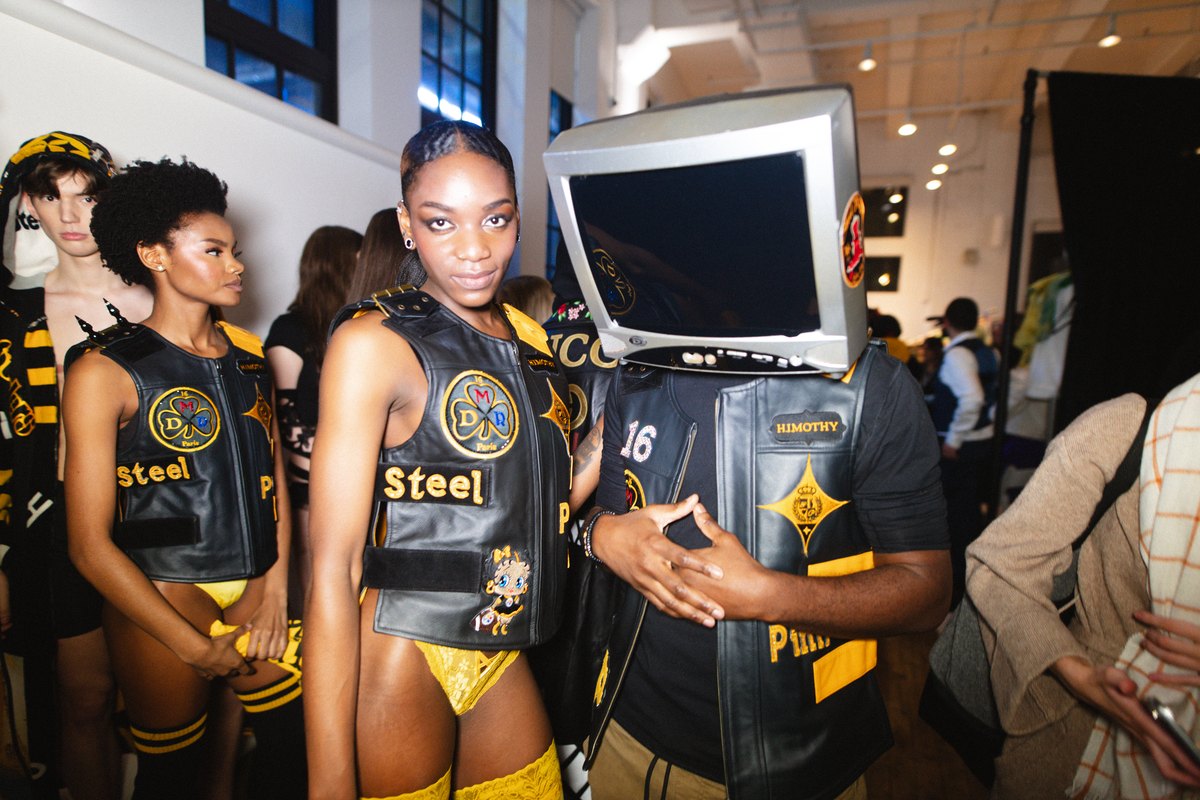
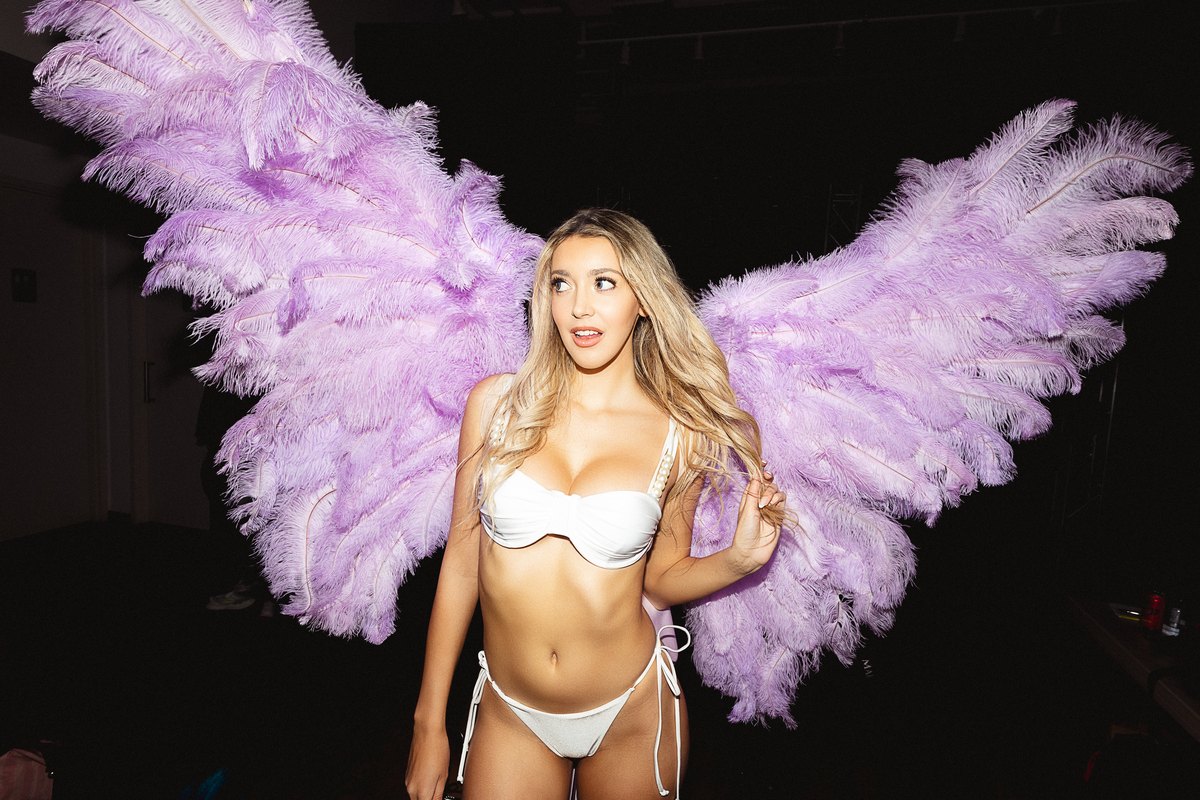
Across Bureau events, four formats consistently drive ticket sales. Behind-the-scenes access — backstage prep, rehearsals, the moments the audience never sees. Outfit content — what to wear, what people actually wore, style breakdowns from the red carpet. Event previews — designer lineups, venue reveals, countdowns that build urgency. And lifestyle POV — the full arc of a fashion week night, from getting ready to the last look of the finale. All four share the same DNA: a hook inside three seconds, and a reason to want a ticket by the end.
How Fashion Week Creators Get Paid
Payment models vary across the industry — flat fees, gifted access, affiliate codes. The Bureau runs a revenue share model: you earn a percentage of every ticket sold through your content, tracked by your personal links, with no cap on earnings. Performance moves you up tiers, and higher tiers earn a larger share, bigger ad budgets behind your work, and upgraded access — VIP seating, front row, exclusive experiences. Full tier details are on the Creator Program page.
One habit to build from day one: disclosure. Paid partnerships and revenue share arrangements must be disclosed under FTC guidelines — the #ad or paid-partnership tag does not hurt performance, and professionalism here is exactly what separates career creators from hobbyists.
Go Deeper: Creator Guides by Market
Once you know which city you want to work, The Bureau publishes market-specific playbooks covering venues, shot lists, and content strategy on the ground: the NYFW guide for influencers and creators, the Paris Fashion Week creator playbook, and the Los Angeles Fashion Week creator guide. And if you want to work fashion week from the inside rather than the audience, The Bureau's intern program includes a dedicated social and content track.
Frequently Asked Questions
Do I need experience at fashion week to apply?
No. What matters is a portfolio of short-form video that demonstrates strong hooks, clean execution, and content that could plausibly sell a ticket. Local events, style content, and event-preview formats all count as proof of skill.
How many followers do I need to become a fashion week content creator?
In performance-based programs like The Bureau's, there is no follower minimum. Paid ad distribution is placed behind your content, so reach comes from the program's ad budget — not your personal audience. Content quality and conversion are the deciding factors.
Which fashion weeks can I create content for?
The Bureau produces fashion week events in New York, Paris, and Los Angeles, and creators choose which markets they want to work. Each market stages multiple seasons per year, so there are recurring opportunities to create and earn.
Do fashion week content creators get paid?
Yes — in performance programs, creators earn revenue share on every ticket sold through their tracked content, with earnings uncapped. Compensation elsewhere in the industry ranges from gifted access to flat fees, but revenue share rewards creators whose content actually converts.
How do you get invited to fashion week?
At The Bureau's fashion weeks, you don't need an invitation — shows in New York, Paris, and Los Angeles are open to the public, and a ticket is your access. No press credentials or PR connections required. Creators accepted into the Creator Program go further, earning upgraded access — VIP seating, front row, and backstage experiences — as their content performs.
What equipment do I need to start?
A current smartphone is enough. Fashion week content is shot overwhelmingly on phones — low light performance and steady hands matter more than cinema gear. Invest time in editing and hooks before investing money in equipment.
Ready to Create?
Applications for The Bureau Creator Program are open — New York, Paris, and Los Angeles.
Apply to the Creator Program