

LA Fashion Week
for Creators
The Lot Studios, 1041 N Formosa Ave
West Hollywood · Los Angeles
You don’t need a press pass, a media kit, or a follower count to cover LA Fashion Week — you need a ticket. LAFW by The Bureau runs on public tickets, and the next season is October 16–18, 2026 at The Lot Studios, a working film lot in West Hollywood. The creator playbook: pick the tier that buys your camera angle (Front Row VIP is the runway angle; March 2026 reference $195–$295), arrive for golden hour, shoot the lot as hard as you shoot the show, post proof-of-presence live and the polished edit after. Tickets are on sale now — buy early for the seats this whole plan depends on; prices rise weekly.
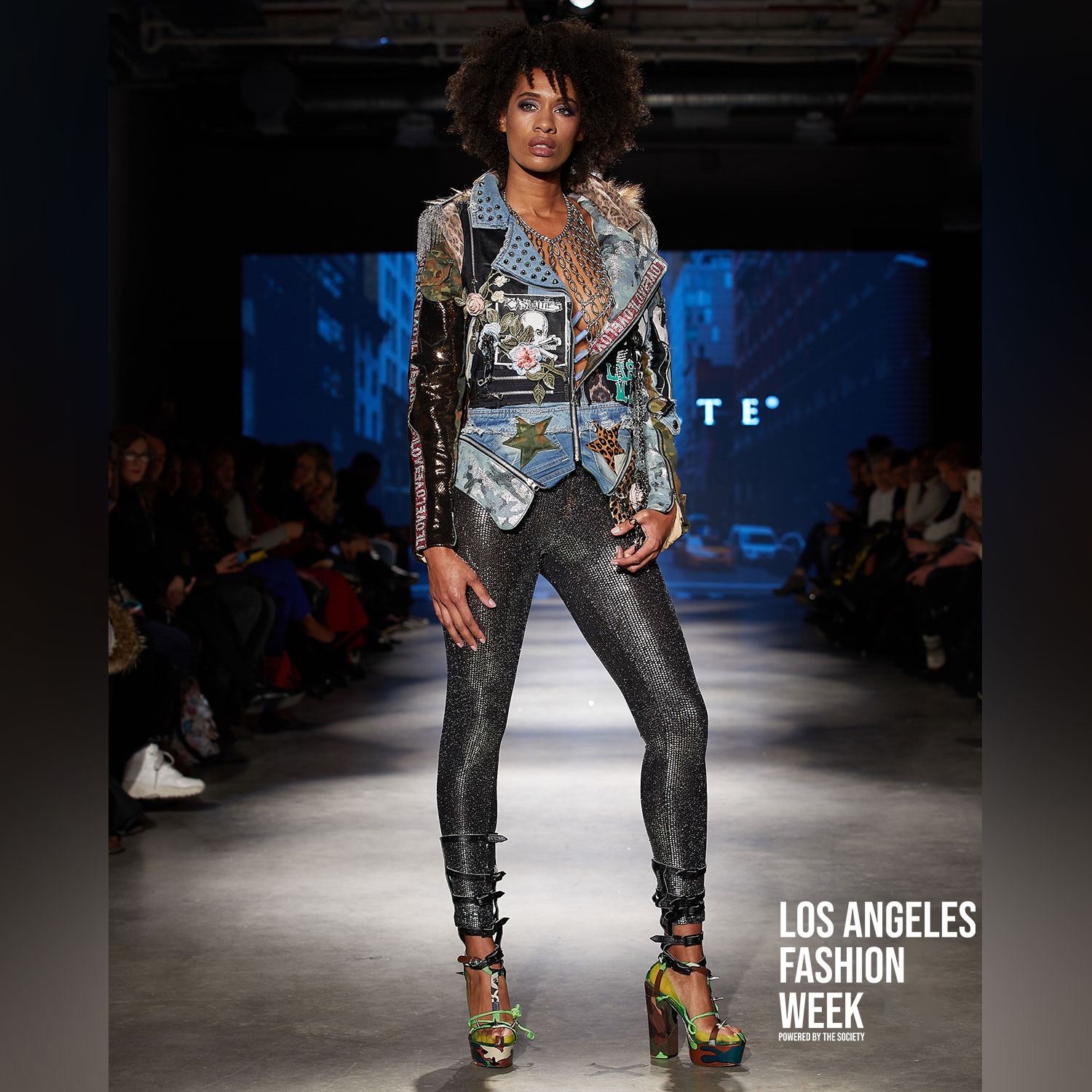
You Don’t Need a Press Pass in the Creator Capital
Start with the fact that changes everything: LA Fashion Week by The Bureau sells public tickets. No media application, no PR gatekeeper deciding whether your following qualifies, no credential lottery. The person filming from row 1 is there because they bought row 1. In the city with the densest creator population on earth, that’s not a small detail — it’s the whole opportunity.
Think about what that means if you make content in Los Angeles. Fashion week — the genre that fills feeds every season, the runway clips, the street style, the get-ready-with-mes — is happening in your home market, at one venue, on one weekend, and the barrier to covering it is a ticket. No flight to New York. No hotel week in Manhattan. You can shoot a full fashion week content cycle and sleep in your own bed.
And the venue does creators a favor no ballroom can: The Lot Studios is a working film lot. Mary Pickford and Douglas Fairbanks bought this ground in 1918; United Artists was founded here in 1919. The architecture your establishing shots need has been photographing well for a century. The venue guide has the full history — and the history is your b-roll.
You’re Not Buying a Seat. You’re Buying an Angle.
Every tier watches the same multi-designer program — what changes is where your lens sits. Decide based on what your content actually needs, using March 2026 season pricing as the reference (October 2026 pricing isn’t announced):
Front Row VIP (March 2026: $195–$295) is the working tier. Row 1 is the head-on, unobstructed runway angle — the position every runway video you’ve ever saved was shot from — plus priority entry, which means more pre-show shooting time on the lot. If runway content is the deliverable, this is the line item.
Reserved Seating (March 2026: $95) guarantees your exact position in advance. You know your angle before you walk in, which makes shot planning real instead of hopeful. The value pick for creators who want runway clips plus the full scene coverage.
General Admission (March 2026: $65) seats best-available within its section — so for creators it’s an arrival-time game. Get there when doors open and GA shoots surprisingly well; the multi-designer format means dozens of looks pass your position either way. If your content leans street style, scene, and vlog over runway close-ups, GA covers the brief at the lowest cost.
The complete tier logic — passes, seat maps, how release timing works — lives in the tickets & cost guide. Shooting with a crew? The group tickets guide covers booking together so your angles sit side by side.
Build the Day Around the Light
LA hands you something New York can’t schedule: golden hour as a production value. Mid-October sunsets land shortly after 6pm, which means the late-afternoon arrival window for an evening show is lit like a shoot day — warm, low, cinematic light hitting century-old studio buildings. Plan your whole day backward from it.
The working structure: outfit and get-ready content at home or the hotel in the early afternoon · arrive at the Formosa Ave entrance while the light is still gold · shoot arrivals, outfit passes, and lot b-roll before doors · check in and work the pre-show scene inside · runway when the lights drop · West Hollywood for the after. One venue, one continuous shooting day, no crosstown transit eating your hours — the thing that fragments NYFW coverage doesn’t exist here.
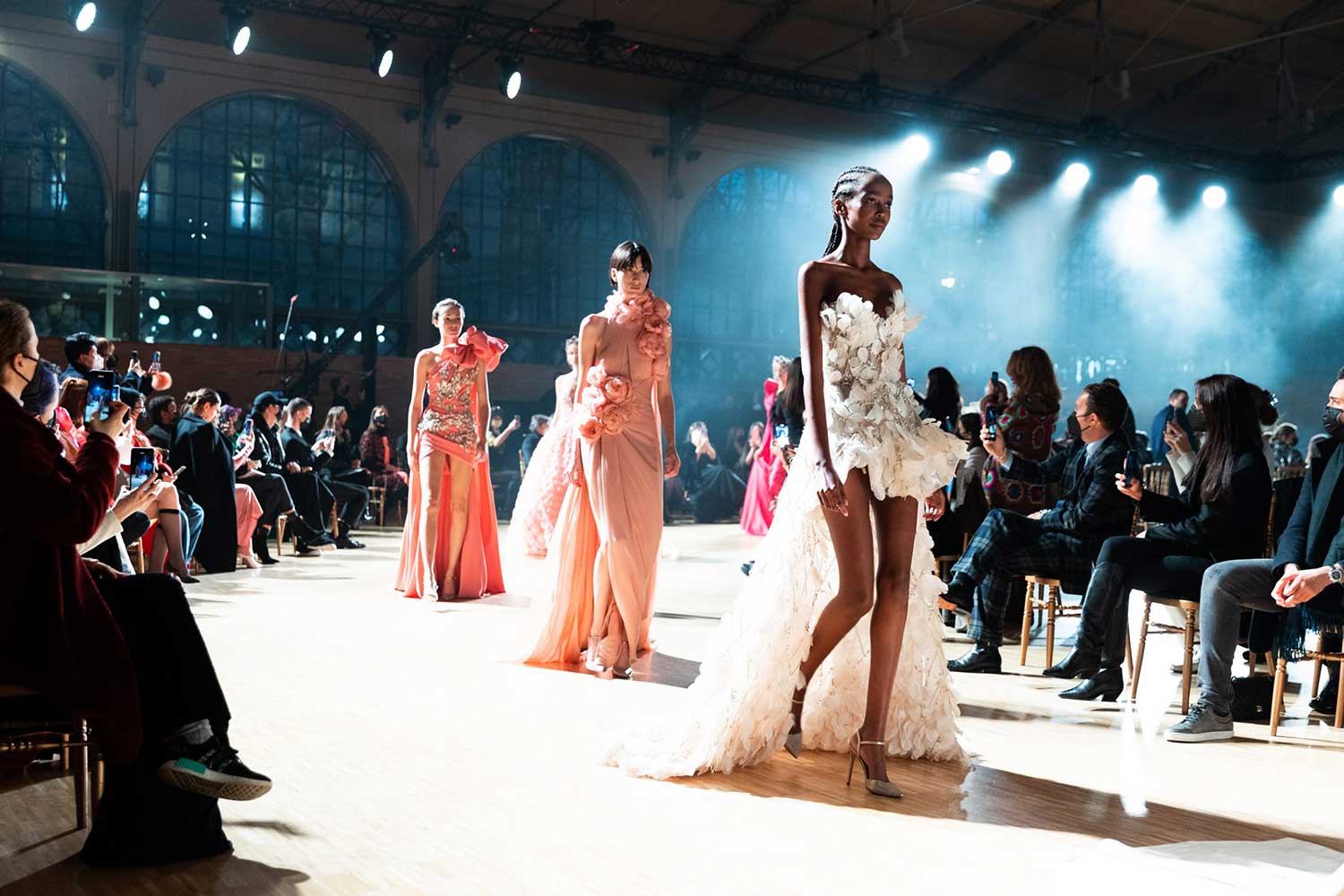
Know the rhythm of the show itself: each ticketed show is a multi-designer program running roughly an hour, each collection walking as its own segment, each closed by a designer walk. That structure is a gift to editors — one seat produces several distinct runway stories, not one. The what to expect guide walks the full night minute by minute.
Walk In Knowing Every Frame You Need
The creators who leave with a week of content aren’t luckier — they arrived with a list. Here’s the one built for this venue:
The gates. The Formosa Ave entrance is the establishing shot — studio gates that have been photographed for a hundred years, now with a fashion week crowd walking through them. Shoot it in golden light on arrival and again lit at night on the way out.
The outfit pass. Your look, full length and detail shots, against the lot’s architecture. The what to wear guide is effectively pre-production for this frame — October in LA means warm-day, cool-night styling, and the soundstage runs cold.
The scene. Street style at the gates, the pre-show crowd assembling, the room filling on the soundstage. Ask before close-up portraits of strangers; a nod and a raised phone is the universal request, and at fashion week the answer is almost always yes.
The runway. Get your clips in the first minutes of each designer’s segment — openers and standout looks — then watch the rest with your eyes and bring the camera back up for the designer walk that closes each segment. Those walks are the emotional peak of the night and the clip that travels.
The after. The room empties into West Hollywood, starting with the 1925 Formosa Cafe beside the gates. The night-out content is the natural end of the arc your audience started watching that afternoon.
Live for Proof, Later for Polish
Fashion week content works on two clocks, and the creators who grow from the weekend use both.
Real time is proof-of-presence. Stories from the gates, a quick runway clip, the outfit in golden light — posted while the event is live, when the season’s hashtags and location tags are surging. You’re not aiming for perfection; you’re time-stamping yourself inside a cultural moment, which is what real-time formats are for.
The following days are the harvest. Edited runway compilations, the full outfit post, the vlog cut, the “what I saw at LA Fashion Week” roundup — published while interest in the season is still peaking and search traffic for the event is at its highest. One evening of shooting, sequenced well, feeds a week or more of posts.
Credit everything. Tag the designers whose looks you post — the show program lists every name walking — and name the event and venue in captions. Credited content gets reshared by the designers and the event itself, which is distribution you can’t buy. It’s also just how this industry works: the tag is the thank-you.
Phone-First Isn’t a Compromise — It’s the Format
A charged phone covers the entire job. Runway lighting is high-contrast and built for cameras; the formats fashion week content lives in are vertical and phone-native anyway. If you carry more, keep it seat-sized — no tripods, no rigs that spill into your neighbor’s sightline. The upgrade that actually matters is a power bank: a full show night of shooting will drain a battery, and the soundstage is not where you want to ration footage.
The etiquette rulebook is short and absolute: shoot from your seat, never into the sightlines behind you, flash off. The soundstage goes fully dark before the show and a flash reads like a signal flare — it’s the fastest way to become the wrong kind of content. Stay through the designer walks; leaving mid-segment to beat traffic is the one move the room notices.
Everything else is ordinary professionalism: don’t block the aisle for a shot, ask before close-up portraits, keep your light small. The full fashion week etiquette guide covers the edge cases, and every word of it applies on Formosa Ave.
What One Ticket Is Actually Worth to a Channel
Run the math the way a producer would. One evening at LAFW yields: runway clips from several designers, an outfit post in golden-hour light, street-style coverage, film-lot b-roll, a vlog arc with a built-in third act in West Hollywood, and a season’s worth of “fashion week” relevance for your channel — a genre audiences already search for and feeds already reward. The cost side, using March 2026 reference pricing, started at $65. For LA-based creators there’s no travel line at all; this is the rare fashion week that’s a home game.
There’s a positioning layer too. “I covered LA Fashion Week” changes how brands read a media kit — it puts you inside fashion’s calendar rather than adjacent to it, with the content to prove it. And because LAFW runs two seasons a year (March and October), the coverage compounds: creators who shoot one season and post well walk into the next one with an audience that expects it.
If your calendar can stretch to two coasts, the flagship plays bigger: New York Fashion Week runs September 11–13, 2026 at Gotham Hall, tickets already on sale, and the NYFW influencer guide is this playbook’s New York edition. Shoot both and you’ve covered a bicoastal fashion month — with public tickets.
For creators who want more than a ticket, there’s the Fashion Week Creator Program: The Bureau puts paid distribution behind accepted creators’ content and pays 5–10% revenue share on every ticket sold through it — and LA, the creator capital, is a home game.
The Content Is Waiting. Get the Angle.
LA Fashion Week by The Bureau · October 16–18, 2026 · The Lot Studios, West Hollywood. Tickets are on sale now — buy early for first choice of the seats your shot list depends on.
Get October Tickets