

LAFW Tickets:
Every Tier,
Every Dollar
The Lot Studios, 1041 N Formosa Ave
West Hollywood · Los Angeles
Every LA Fashion Week runway show sells in three tiers — General Admission, Reserved Seating, and Front Row VIP — plus day and weekend passes in past seasons. As a reference, the March 2026 season ran GA at $65, Reserved at $95, and Front Row VIP at $195–$295 per show. Tickets are on sale now — buy early for the best price and first choice of VIP.
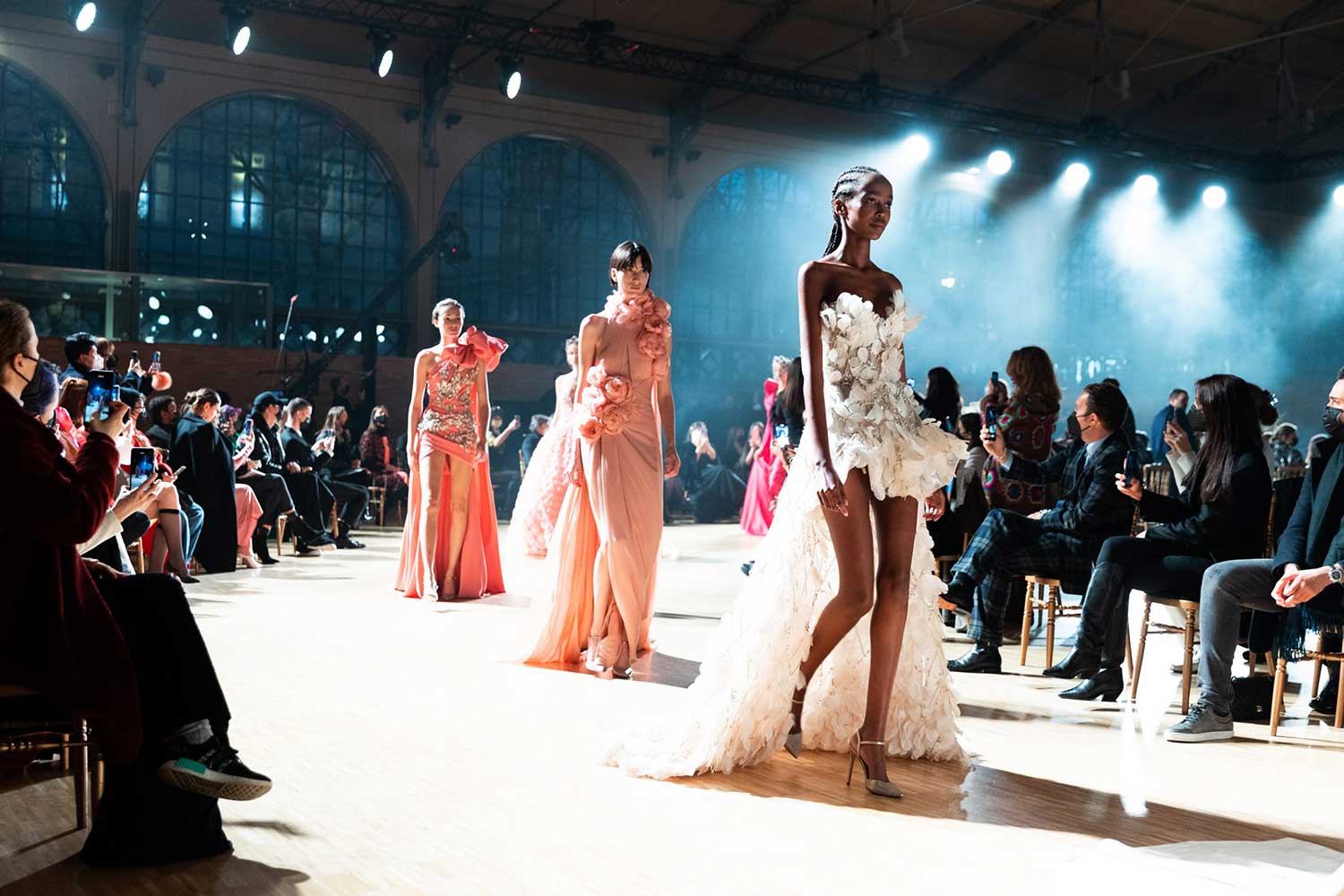
GA: The Whole Show at the Floor Price
General Admission is the tier most people should start with, and it isn’t close. In March 2026 it ran $65 per show — for that you get the full runway program, seated, on the same soundstage as everyone who paid four times more. Nothing is withheld from GA: same designers, same production, same finale walks.
The one variable is placement. GA seats best-available within the GA section, which turns arrival time into strategy — the guests who show up 45 minutes early sit noticeably better than the ones who slide in at doors-close. If you’re a planner by nature, that’s a feature: early arrival is free, and the pre-show scene on a working film lot is worth the extra half hour anyway.
Who GA is for: first-timers testing the water, students and creators watching budget, locals making it a regular thing, and anyone who’d rather put the savings toward the outfit or dinner in WeHo. The returning-guest pattern in every Bureau market is the same: GA the first season, upgrade the second.
Reserved: Pay to Stop Strategizing
Reserved Seating — $95 in the March 2026 season — buys exactly one thing over GA: an assigned seat. That sounds small until you map it onto a real LA evening. With GA, the early-arrival game is real; with Reserved, you can linger over dinner at the 1925 Formosa Cafe next to the studio gates, walk in twenty minutes before lights, and sit exactly where your ticket says.
It’s also the quiet best answer for pairs and small groups. GA seats best-available, which means a party of four arriving at different times can end up scattered; Reserved locks you together without anyone standing sentry over a row of seats. If you’re coming as a date night, a friend group, or a family (12+, every attendee ticketed, 16+ recommended), the $30 spread over GA is mostly buying the evening back.
Who Reserved is for: couples and groups, anyone building the show into a bigger night out, and second-timers who did the GA arrival sprint once and would rather not again.
Front Row: The Seat the Photos Are Taken From
Front Row VIP ran $195–$295 per show in March 2026, and it’s the tier where the ticket stops being admission and becomes the experience itself. Row 1 on a Bureau runway means the collection passes close enough to read fabric texture and hear heels hit the runway — and priority entry means you skip the line forming outside the soundstage.
There’s a practical layer that matters in Los Angeles specifically: the front row is where the content comes from. Unobstructed, eye-level footage of every look, no heads in frame — if you’re a creator treating LAFW as a shoot, the tier can be a working decision rather than a splurge. It’s also the milestone buy: the birthday, the anniversary, the “we finally did it” night.
Who Front Row is for: creators who need the angle, milestone celebrants, and returning guests cashing in on the GA-first pattern. First-timers genuinely don’t need it — the show lands from every seat — but nobody has ever regretted it either. One more reason to buy now: front-row inventory is the thinnest in the room, and buying early gets first choice of VIP.
When One Show Isn’t the Plan
Single-show tickets are the default unit, but past LA seasons have also sold passes: day passes covering every show on a Friday or Saturday, and weekend passes at both GA and VIP level, up through top-end packages for people doing the entire season. In March 2026, that meant five shows across two days — a day pass turned an evening into a marathon of collections, and a weekend pass turned the whole season into one purchase.
The math logic to carry into October: passes reward appetite. If you already know you want more than one show — and most people who’ve been once do — a pass has historically been the cheaper route than stacking single tickets, and it removes the “which show do I pick?” problem entirely. The October pass structure and pricing will be announced with the release; the March 2026 schedule archive shows how a season’s show blocks laid out.
What the Ticket Doesn’t Cover in LA
The honest budget for a show night has a few lines beyond the ticket, and LA’s versions are specific:
Getting there. LA is a drive-to market — no subway stop near Formosa Ave. Rideshare to the venue entrance is the low-friction play and what most guests do; if you drive, there’s structure and street parking around Santa Monica Blvd and Formosa. Either way it’s a modest line item, and splitting a rideshare across a group makes it near-zero. The venue guide has the full getting-there breakdown.
Dinner before. A show night runs two to three hours with the pre-show scene, and there’s no reason to do it hungry. West Hollywood is dense with options at every price, starting with the Formosa Cafe literally next to the studio gates. Budget whatever a night out in your city costs — that’s the number.
The outfit. There’s no enforced dress code and the LA room rewards intention over price tags — a styled thrift look beats nervous designer wear. This line can genuinely be $0 if your closet already has a point of view. Tier-by-tier direction is in the what to wear guide.
The hotel, if you’re traveling. Locals skip this line entirely — which is why a GA night can cost a Los Angeles resident little more than ticket + dinner + rideshare. Visitors should book West Hollywood, Hollywood, or Beverly Hills to keep show-night transport to minutes, and book early with free cancellation: WeHo tightens on event weekends.
Five Moves That Lower the October Bill
1. Buy your ticket — today. This is the only move with a deadline attached. Prices rise weekly until the event, and buying now gets the lowest price plus first pick of shows and tiers while everything’s still available.
2. Start with GA. Same show, floor price. Put the difference toward the night around the show — or toward a second show, which changes the experience more than a better seat does.
3. Do the pass math. If you want multiple shows, compare a day or weekend pass against stacked singles when October pricing lands. In past seasons the pass has been the appetite discount.
4. Arrive early instead of upgrading. Within GA, arrival time is placement. Forty-five minutes early is a free seat upgrade — and the golden-hour pre-show scene on the lot is the best part of the evening anyway.
5. Make the group do the work. Split rideshares, share a WeHo hotel room, and sit together with Reserved instead of engineering GA seats. A four-person show night divides beautifully.
New York Is On Sale Now
If reading a pricing guide has put you in a buying mood and October feels far off, the Bureau’s flagship season is live: New York Fashion Week, September 11–13, 2026 at Gotham Hall, with tickets on sale now — same three-tier logic, same public-access model, five weeks before LA. Plenty of guests run both coasts back to back; the NYFW vs LAFW guide compares the rooms if you’re choosing.
For Los Angeles, the move stays the same: get October tickets and let the release — and the early pricing — come to you.
Know the Price Before Anyone Else
LA Fashion Week · October 16–18, 2026 · The Lot Studios, West Hollywood. October tickets are on sale now — prices rise weekly, and first choice of VIP goes early.
Get October Tickets