

The Unwritten
Rules of
Every Row
Gotham Hall, 1356 Broadway
Herald Square · Midtown Manhattan
Fashion week etiquette compresses to five rules: arrive 30–45 minutes early, sit in the tier you bought, shoot without flash and without blocking anyone, don’t talk over the show, and treat everyone — models, staff, photographers, the person next to you — like a professional at work, because they are. Nobody at The Bureau’s NYFW expects you to know secret handshakes; roughly 40% of the room is first-timers. The rules below are simply what makes 1,500 people in a landmark ballroom feel like one audience instead of 1,500 competing camera crews.
Early Is On Time. On Time Is Visible.
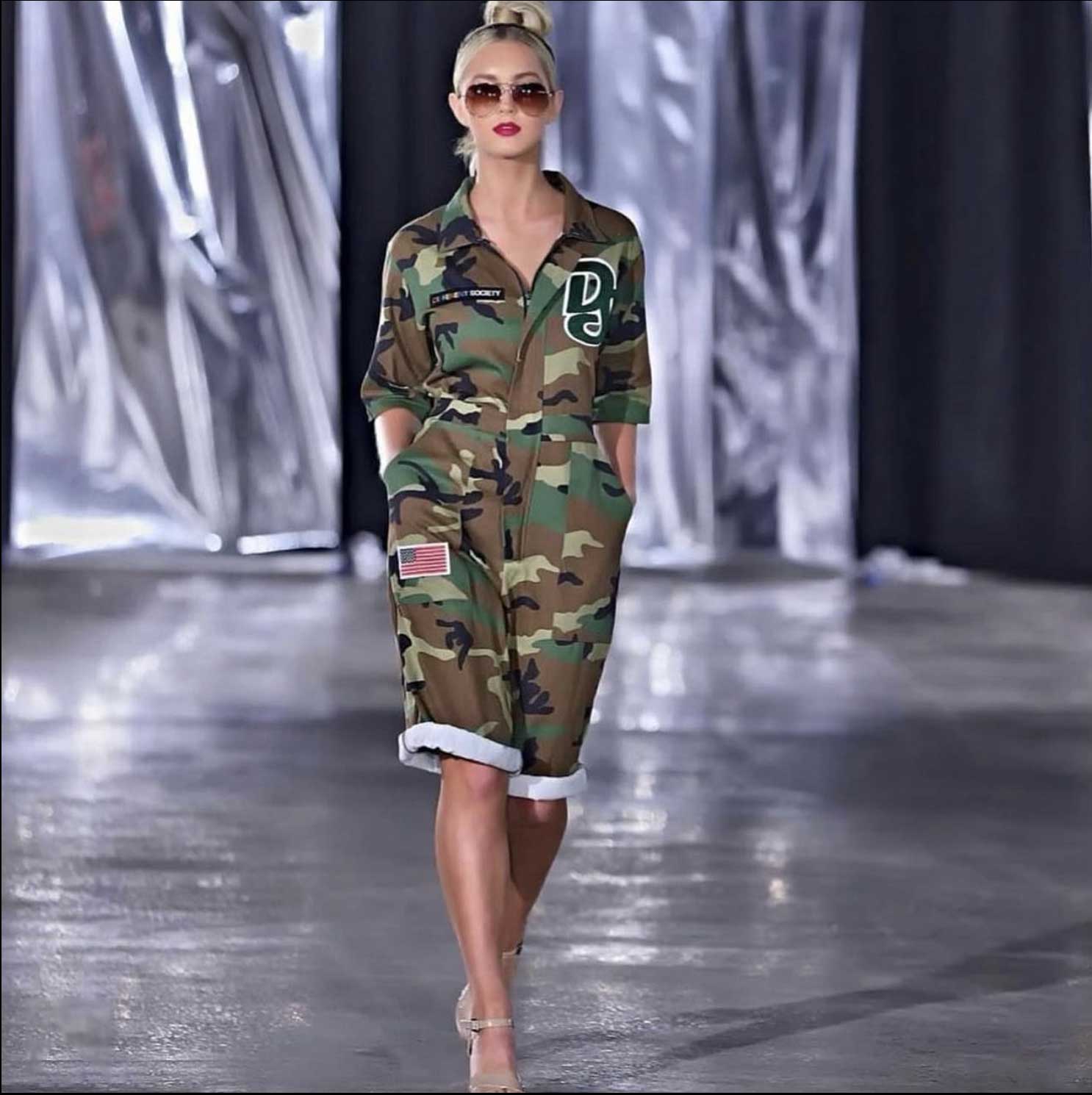
The first etiquette decision of your fashion week happens before you see a single look: when you show up. The standard is 30–45 minutes before showtime. Doors open before each show, and that window is when check-in happens, seats fill, and the room does its pre-show ritual of photographing itself. Arrive inside it and everything is unhurried. Arrive after it and you’re threading through a dark room while models are walking.
For General Admission, early arrival isn’t just manners — it’s strategy. GA is seated best-available within the section, which means the earlier you’re through the door, the better your position for the next 90 minutes. Reserved and Front Row VIP guests have guaranteed seats waiting, but the pre-show window is half the experience: Gotham Hall’s dome and marble before the lights drop, the room filling, the outfit-watching. Rushing past it to slide in at the last second is a self-inflicted wound.
If the worst happens and you are late: enter quietly, follow staff direction, stay low along the edges, and take the nearest available position in your tier rather than hunting for the perfect one mid-show. The walk of shame down a lit runway room is a real thing, and everyone who’s done fashion week for years has a story about it. Just don’t make it your story. (Full arrival logistics: how to attend NYFW.)
That Empty Seat? It’s Sold.
Seating at The Bureau’s NYFW is straightforward: Front Row VIP is row 1, Reserved Seating is guaranteed in rows 2–7, and General Admission is best-available within the GA section. The etiquette is equally straightforward: sit in the tier you bought.
The classic failure mode is seat-poaching — spotting an empty seat in a better section and sliding in, on the theory that an empty seat helps nobody. Here’s why it never works: those seats are sold. Their owners are checking in, in the restroom, or arriving at minute twenty-five of the thirty-minute door window. When they arrive — and they arrive — you get the tap on the shoulder, staff gets involved, and the surrounding rows watch the whole exchange while you gather your things. It is the single most common etiquette failure at any fashion week, and it is always more visible than people think.
Within GA, best-available cuts both ways: take the position you find, and hold only the space you occupy. Draping a jacket across standing room to save a spot for someone arriving in twenty minutes doesn’t fly in a filling room. Keep bags on your lap or at your feet — never on a neighboring seat once the room is filling — and if you want guaranteed seats as a group, Reserved Seating exists precisely to solve that problem.
Shoot Everything. Block No One. Flash Never.
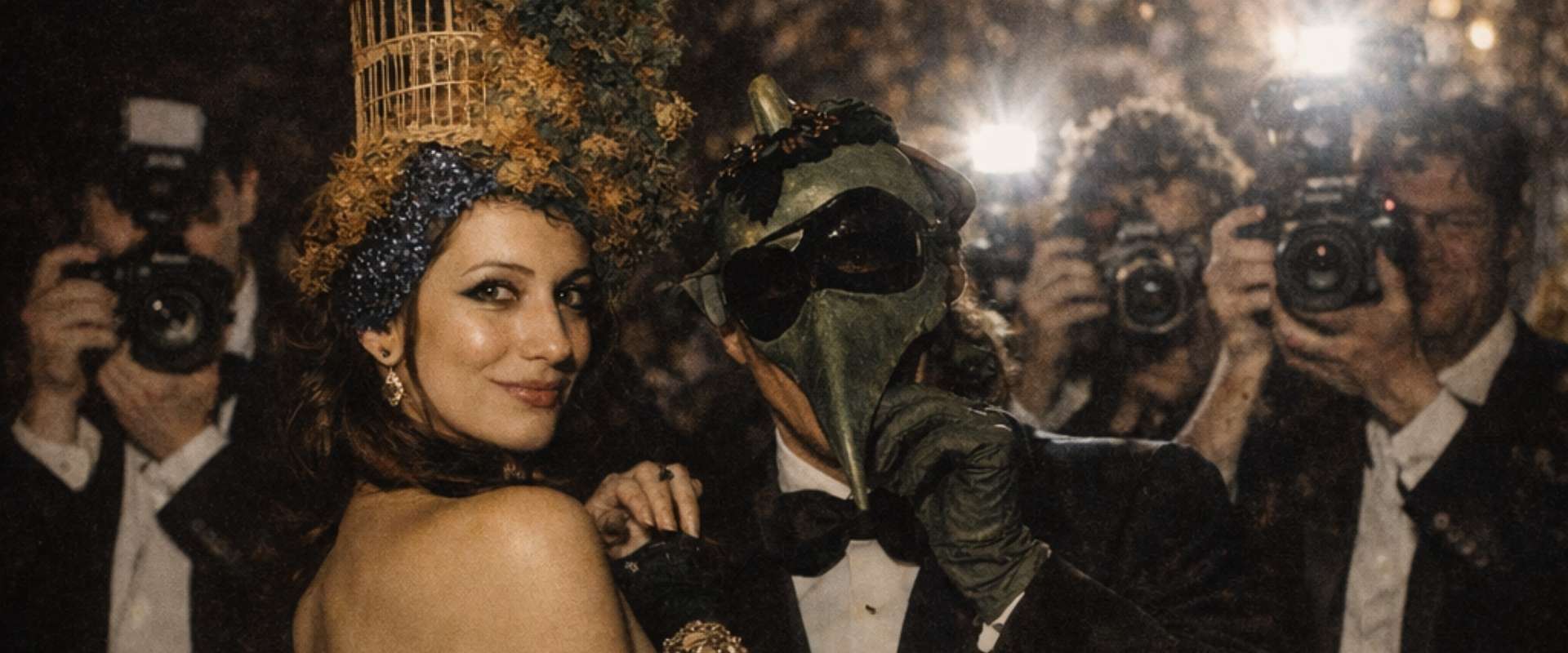
Fashion week made peace with phones years ago — shooting the runway from your seat is not just tolerated at The Bureau’s shows, it’s part of the format at every tier. The etiquette isn’t about whether you shoot. It’s about the two ways shooting goes wrong.
Rule one: no flash, ever. A runway show is a lighting design — the darkness around the runway is as deliberate as the light on it. A flash firing from the audience blows out the moment for every camera in the room and can genuinely disorient a model mid-walk. Check your phone before the lights drop, because auto-flash in a dark room is exactly when it triggers. This is the one photography rule with no gray area.
Rule two: your camera lives at chest-to-eye level. The person behind you paid for a sightline too. Phones held at chest or eye height are invisible to the row behind; arms fully extended overhead turn your device into a screen between fifty people and the runway. Tablets stay in your bag — this is universal fashion week law. If you’re GA and standing, the same math applies laterally: shoot from your position, don’t migrate into someone else’s.
Shoot generously within those two rules — the finale walk especially, when every model returns in sequence. For the technical side (exposure, burst, zoom, timing the shot at the mark), the photography tips guide goes deep. And watch at least one walk per show with your own eyes instead of your screen. You came a long way for that.
The Room Is Part of the Production
Once the lights drop, a runway show is a performance — music, lighting, and choreography built by the designer as a single statement, usually 20–35 minutes per designer. The audience contract is the same as theater: you’re in it, so don’t break it.
Talking over the music is the main offense. A whispered word to your neighbor happens; running commentary doesn’t. Beyond the disrespect to the designer, there’s a practical dimension — half the room is recording, and your review of look 14 will be the audio track on forty strangers’ videos. Save it for the break between designers, which multi-designer programs (90–120 minutes, 4–10 designers in sequence) build in naturally.
Stay seated. Standing mid-walk — for a better angle, for the bathroom, for a drink — puts you in every sightline and every frame, including the professional photographers shooting down the runway from the end of the catwalk. If you genuinely must move during a long program, wait for the between-designers break, keep low, use the aisles. And plan ahead: bathroom before doors is a fashion week fundamental.
Then there’s applause, which deserves its own paragraph because first-timers consistently under-do it. The stone-faced industry front row is a stereotype from another era’s NYFW. At The Bureau’s shows, applauding a look you love is welcome, and the finale walk — when all models return in a line and the designer takes their bow — is the big moment. Applaud like you mean it. Many designers on this calendar are showing at NYFW for the first time; the room’s response when they walk out is a moment they will remember for the rest of their careers, and you’re part of it.
Designers, Models, Staff — Everyone’s Working
The thing that separates guests who belong at fashion week from guests who merely attend it: understanding that almost everyone in the building is at work. The models are working. The designers are having one of the most important days of their year. The production staff are running an eleven-show weekend. Etiquette with people is mostly just respecting that.
Designers: if you get a moment with one — after their show, in the room, at the after party — lead with something specific. “The final look in the red — incredible” lands a hundred times harder than “great show.” Keep it brief unless they extend it; post-show designers are managing press, buyers, and adrenaline simultaneously. A specific compliment and a clean exit is the connoisseur’s move.
Models: mid-show, they are performers mid-performance — don’t call out, reach toward the runway, or try to make eye contact happen. Off the clock, they’re people at work in an office that happens to be a ballroom: a compliment is fine, a photo request is a question they’re allowed to decline, and following someone to get either is never fine.
Staff and security: they have final say on seating, access, and flow, and arguing with a staff decision is the fastest way to become the story of someone else’s fashion week. The guests who are kindest to staff consistently have the smoothest weekends — not because of favors, but because every interaction they have is friction-free. Say thank you at check-in. It costs nothing and it’s rarer than it should be.
The Sidewalk Scrum and the After Party
The block outside Gotham Hall before and after shows is its own ecosystem: street-style photographers, arriving guests, departing guests, and ordinary Midtown foot traffic all sharing one stretch of Broadway. The protocol, from both sides of the lens:
If a photographer shoots you: pause a beat, let them get the frame, nod, move on. You don’t owe anyone a full session, and they don’t owe you their Instagram handle — though most will share it if asked politely. If you want to shoot someone else’s look: candids of the general scene are fair game (it’s a public sidewalk at a fashion event; being seen is the point), but a direct portrait deserves a direct question first. Almost everyone says yes. Ask anyway.
The one hard rule: don’t colonize the sidewalk. Staging a ten-minute personal shoot in the densest spot by the doors — while guests are trying to enter and photographers are trying to work — is the street-style equivalent of seat-poaching. Step to the side, shoot efficiently, keep the flow moving. New Yorkers will let you know if you fail at this, and they will not be gentle.
The Rose Ball — the official after party on Friday, September 11, following the evening shows — runs looser than the runway room. It’s a party; mingling is the point, and the show-room silence rules don’t apply. What carries over: don’t interrupt clearly private conversations to introduce yourself, ask before portraits, keep designer conversations appreciative and unclingy, and extend staff the same courtesy as guests. The Rose Ball returns with the February 2027 season — details on the after party page.
Dos and Don’ts, One Table
Everything above, compressed for the cab ride to the venue.
| Arrival | Do arrive 30–45 minutes early — GA is best-available. Don’t thread through a dark room mid-show; if late, enter low and quiet, nearest spot in your tier. |
| Seating | Do sit in the tier you bought. Don’t poach empty seats in better sections — they’re sold, their owners arrive, staff will move you. |
| Phones | Do shoot from your seat at chest-to-eye level. Don’t use flash — ever — or hold your phone overhead into fifty sightlines. |
| During the show | Do stay seated and save commentary for breaks between designers. Don’t talk over the music or stand mid-walk. |
| Applause | Do clap for looks you love and go generous at the finale walk and designer’s bow. Don’t import the stone-faced-front-row stereotype. |
| People | Do give designers specific compliments, treat models as professionals, thank staff. Don’t argue with staff or demand photos. |
| Outside | Do pause for photographers, ask before portraits. Don’t stage long personal shoots in the doorway crush. |
| The Rose Ball | Do mingle — it’s the point. Don’t interrupt private conversations or cling to designers. |
First season? Pair this with first-timer tips and what to expect — and settle the outfit question with the what to wear guide.
You Know How to Behave. Come Prove It.
New York Fashion Week · September 11–13, 2026 · Gotham Hall. 11 runway shows, 100+ designers, and a room that runs on the rules you just learned. NYFW returns February 11–14, 2027 — tickets are on sale now.
Get Tickets — From $105