

What to Wear
to NYFW
Gotham Hall, 1356 Broadway
Herald Square · Midtown Manhattan
There is no enforced dress code at The Bureau’s NYFW — nobody checks your outfit at the door of Gotham Hall. But there is a strong culture of dressing up: elevated, editorial, intentional. The working formula: daytime shows go sharp and light, evening shows go dark and dramatic, and the Grand Finale (Sunday 8:30 PM) gets your best look of the weekend. Dress for September in New York — warm afternoons, cooler nights — and wear shoes you can walk and stand in, because this city and this format demand both.
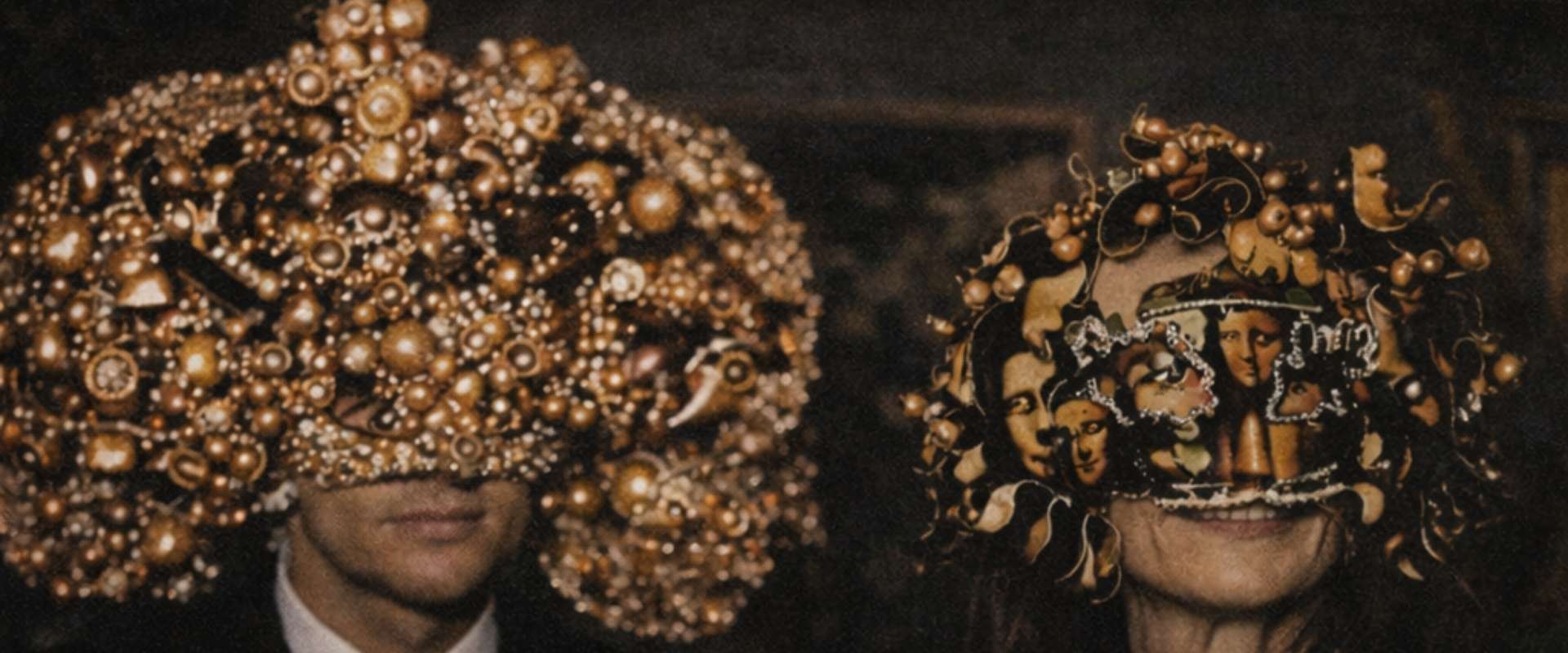
Nobody Checks Your Outfit. Everybody Sees It.
Let’s dispose of the anxiety first: you cannot be turned away from The Bureau’s NYFW for what you’re wearing. There is no written dress code, no clipboard, no once-over at the door. Your ticket is your access — roughly 40% of attendees are first-timers, and the room ranges from industry veterans to people at their very first runway show.
Now the honest part. Fashion week is the one event on earth where the audience dresses like it’s part of the show — because, culturally, it is. Street-style photographers work the sidewalk outside. Guests film the room before the lights drop. The person next to you spent real thought on their look, and the unspoken agreement is that you did too. “Elevated” is the word that covers it: not necessarily expensive, not necessarily formal, but considered. An outfit with a decision in it.
The good news is that the bar is about intent, not budget. A perfectly cut black outfit from anywhere beats an expensive look worn without conviction. Vintage reads brilliantly. So does monochrome, sharp tailoring, or one great statement piece over simple basics. What reads underdressed isn’t casual clothing — it’s accidental clothing: the outfit you’d wear to run errands, worn because you didn’t think about it.
Dress for the Slot, Not Just the Week
The single most useful framing: NYFW isn’t one dress code, it’s three. The Bureau stages 11 shows across the weekend — Friday at 3:00, 6:00, and 8:30 PM; Saturday and Sunday at 12:00, 2:30, 5:30, and 8:30 PM — and the energy of the room shifts with the clock. Daytime rooms are bright, social, and fashion-editorial. Night rooms are darker, louder, and dressier. Match the slot and you’ll never feel out of place.
| Daytime (12:00 & 2:30 PM) | Sharp and light. Elevated separates, great denim with structure, a strong blazer, a day dress with a point of view. This is the slot where polished street style shines — and where you’ll do the most walking and daylight photography. |
| Late afternoon (3:00, 5:30 & 6:00 PM) | The transition look. One outfit that works in daylight and after dark: darker palette than noon, richer texture, a layer you can shed. If you’re doing back-to-back shows, this look bridges both. |
| Night shows (8:30 PM) | Dark, dramatic, deliberate. Strong tailoring, evening fabrics, monochrome black done properly, or your boldest statement piece. Night rooms photograph moodier — high contrast reads best. |
| Grand Finale (Sun 8:30 PM) | Your best look of the weekend. The closing show of the season is the dressiest room of the three days. If you packed one knockout outfit, this is what it’s for. |
| The Rose Ball (Fri Sep 11) | Show-to-party. The official after party follows Friday’s evening shows — most guests go straight from the runway, so Friday night’s look should carry to a dance floor. |
Seeing multiple shows in one day? Don’t plan a full costume change — plan a conversion: swap a layer, change the shoe, add jewelry, shift a bag. One base look that darkens as the day does is how experienced attendees handle a 12:00 PM to 8:30 PM run. The weekend itinerary guide maps the show-to-show logistics.
Warm Days, Cooler Nights, and the Layer That Solves Both
Mid-September in New York is a transitional-weather city at its most transitional: afternoons can still feel like summer, evenings turn noticeably cooler, and you should always be ready for the possibility of rain. You’ll spend real time outdoors — walking from the subway, queueing before doors, shooting street style on Broadway — and real time indoors in a climate-controlled ballroom. Your outfit has to survive both.
The answer is a layer that’s part of the look, not an apology stapled onto it. A structured blazer, a leather or suede jacket, a trench, a heavyweight overshirt, a great knit over the shoulders — something you’d be happy to be photographed in, because you will be wearing it in exactly the moments photographs happen: outside the venue. The layer you grab “just in case” from the back of the closet will be in every exterior shot of your fashion week. Choose accordingly.
Two practical notes. First, fabrics: September humidity is real in the afternoon, so breathable naturals under a removable layer beat one heavy statement you’re stuck inside. Second, whatever you carry, you carry all show long — so a coat you can wear beats a coat you have to hold, and a bag that closes beats a tote in a crowded room. The full NYFW packing list covers the suitcase-level strategy.
The Most Honest Section of This Guide
Here is what your feet are signing up for: New York blocks between subway and venue (Herald Square station is one block from Gotham Hall; Penn Station about three), time on the sidewalk before doors, and — if you’re General Admission — standing on the open floor for the show itself. Multi-designer programs run 90–120 minutes. A stiletto that’s charming at minute ten is a hostage situation at minute ninety.
This does not mean surrendering the shoe moment. It means choosing shoes that can do the job: block heels, architectural flats, sharp loafers, boots with a real sole, or genuinely clean statement sneakers — all fully at home at fashion week, all photographed constantly. The street-style canon has been kind to comfortable shoes for a decade; nobody is checking your heel height, and the most confident walkers outside the venue are usually the ones whose feet don’t hurt.
If heels are non-negotiable — and for some looks they are — steal the working editor’s move: commute in one pair, switch near the venue, and know your night has a taxi in it. Reserved Seating and Front Row VIP guests have a guaranteed seat waiting, which changes the math; GA guests should treat “can I stand in these for two hours” as a hard filter, not a suggestion. Whichever tier you hold, break the shoes in before September. Fashion week is a terrible place to meet your footwear for the first time.
One Anchor, Simple Everything Else
The most reliable formula in fashion week dressing is also the simplest: one statement, styled clean. A sculptural jacket over all black. A bold-color suit with plain shoes. An unforgettable bag against quiet tailoring. Dramatic earrings and a slicked-back everything-else. One decision, executed fully, photographs better and reads more confident than five competing ideas fighting for the same frame.
This matters most on the sidewalk. Street-style photographers work outside Gotham Hall before and after shows, and what catches a photographer’s eye is remarkably consistent: silhouette (a shape readable from across the street), color (one saturated block, or perfect monochrome), texture (leather, feathers, sequins, heavy knits — anything light plays with), and confidence (the person who looks comfortable being seen). A logo has never once been the reason someone got shot on the street; a silhouette almost always is. The full sidewalk playbook — where, when, and how to get photographed — is in the NYFW street style guide.
If you’re building the look from scratch, work backwards from the anchor: pick the one piece you’d want to be photographed in, then strip everything else back until nothing competes with it. And wear it like you mean it — the difference between a costume and a look is entirely in the posture. For how to handle the photographers themselves, the etiquette guide covers the sidewalk protocol.

What the Room Actually Wears, Tier by Tier
Every tier watches the same show, but the seats shape the dressing logic. Front Row VIP sits in row 1, roughly three feet from the runway, with champagne service — and the front row is in the background of runway photography all show long. Front row looks skew polished and deliberate: strong tailoring, evening-leaning fabrics, jewelry that reads on camera, shoes that are visible because your feet are. You’re seated, so comfort constraints relax; visibility constraints tighten.
Reserved Seating (rows 2–7) is the balanced brief: a guaranteed seat means heels are viable, and you dress to the slot — sharp for daytime, dramatic for 8:30 PM. General Admission is the open floor: you’re standing, moving, and closer to the room’s energy, so GA rewards looks with mobility built in — great trousers, flat or block-heeled shoes, layers that work standing up. Some of the best-dressed people at any fashion week are in GA; they’re just dressed for the physics of it. (Full tier breakdown: ticket types explained.)
A word on men’s and androgynous dressing, because it’s the most under-served question in fashion week guides. Tailoring is the easy win — a well-cut suit, or blazer and trouser worn with intent: tonal layering, monochrome, one texture play (suede, leather, a knit polo under structure). Skip the office-default shirt-and-chinos energy; add one deliberate move — a brooch, a strong boot, an unexpected color, jewelry. And fashion week is one of the few rooms where gender-fluid dressing isn’t just accepted but photographed enthusiastically. Skirts, pearls, heels, full drama — the runway crowd rewards a point of view far more than it rewards convention.
Front Row VIP
Row 1, on camera all show. Polished, evening-leaning, visible shoes, jewelry that reads. Comfort relaxes; visibility tightens.
Reserved Seating
Rows 2–7, guaranteed seat. Dress to the slot — sharp by day, dramatic by night. The most flexible brief in the room.
General Admission
Open floor, standing. Mobility is the brief: great trousers, block heels or flats, layers that work upright for 90+ minutes.
Men’s & Androgynous
Tailoring with one deliberate move — texture, color, jewelry. Gender-fluid dressing is fully at home here. Conviction beats convention.
Run Every Look Through This Before You Leave
The night-before test, in one table. If your outfit passes all seven rows, you’re dressed for fashion week — whatever the outfit is.
| The decision | Can you name the one idea this outfit is built around? If not, add an anchor or subtract the noise. |
| The slot | Does it match the room — sharp/light for daytime, dark/dramatic for 8:30 PM, best-of-trip for the Grand Finale? |
| The layer | Is your outdoor layer part of the look? It’s what you’ll be photographed in outside the venue. |
| The shoes | Blocks walked + standing time survived. GA: can you stand 90–120 minutes? Broken in before September? |
| The bag | Closes securely, carries phone + charger + ticket, doesn’t fight the silhouette in a crowded room. |
| The camera test | Happy to end up in a stranger’s street-style frame in this? That’s the real dress code. |
| The sit/stand test | Sit down in it. Stand for ten minutes in it. Fashion week is both, repeatedly. |
Building the whole weekend wardrobe? Pair this with the packing list and first-timer tips — and if you’re planning content around your looks, the creator guide covers the shot list. Headed west for LA Fashion Week in October? The dress logic changes with the city — what to wear to LAFW covers it.
The Outfit Needs a Room
New York Fashion Week · September 11–13, 2026 · Gotham Hall. 11 runway shows, 100+ designers, no dress code but every reason to bring one. NYFW returns February 11–14, 2027 — tickets are on sale now.
Get Tickets — From $105