

What Is
Fashion
Week?
Gotham Hall, 1356 Broadway
Herald Square · Midtown Manhattan
Fashion week is a scheduled series of runway shows, held over several days in a major city, where designers present their upcoming collections to press, buyers, and — increasingly — the public. Each major fashion city holds one roughly twice a year: the “big four” are New York, London, Milan, and Paris, and the format was invented in New York in 1943. For most of its history you couldn’t buy your way in at any price. That changed: The Bureau Fashion Week produces fashion week seasons in New York, Los Angeles, and Paris with public tickets — NYFW from $105, LA from $65. The next one you can attend: NYFW, September 11–13, 2026.
Fashion’s Product Launch, Trade Show, and Theater — At Once
Strip the glamour away for a second and fashion week is a remarkably practical machine. Designers need to show their upcoming collections to three audiences at the same time: the press, who decide what gets photographed and written about; the buyers, who decide what department stores and boutiques will stock; and the public, who ultimately decide what gets worn. A fashion week concentrates all of that into one city, one calendar, one week — so the entire industry can do a season’s worth of business in a few days.
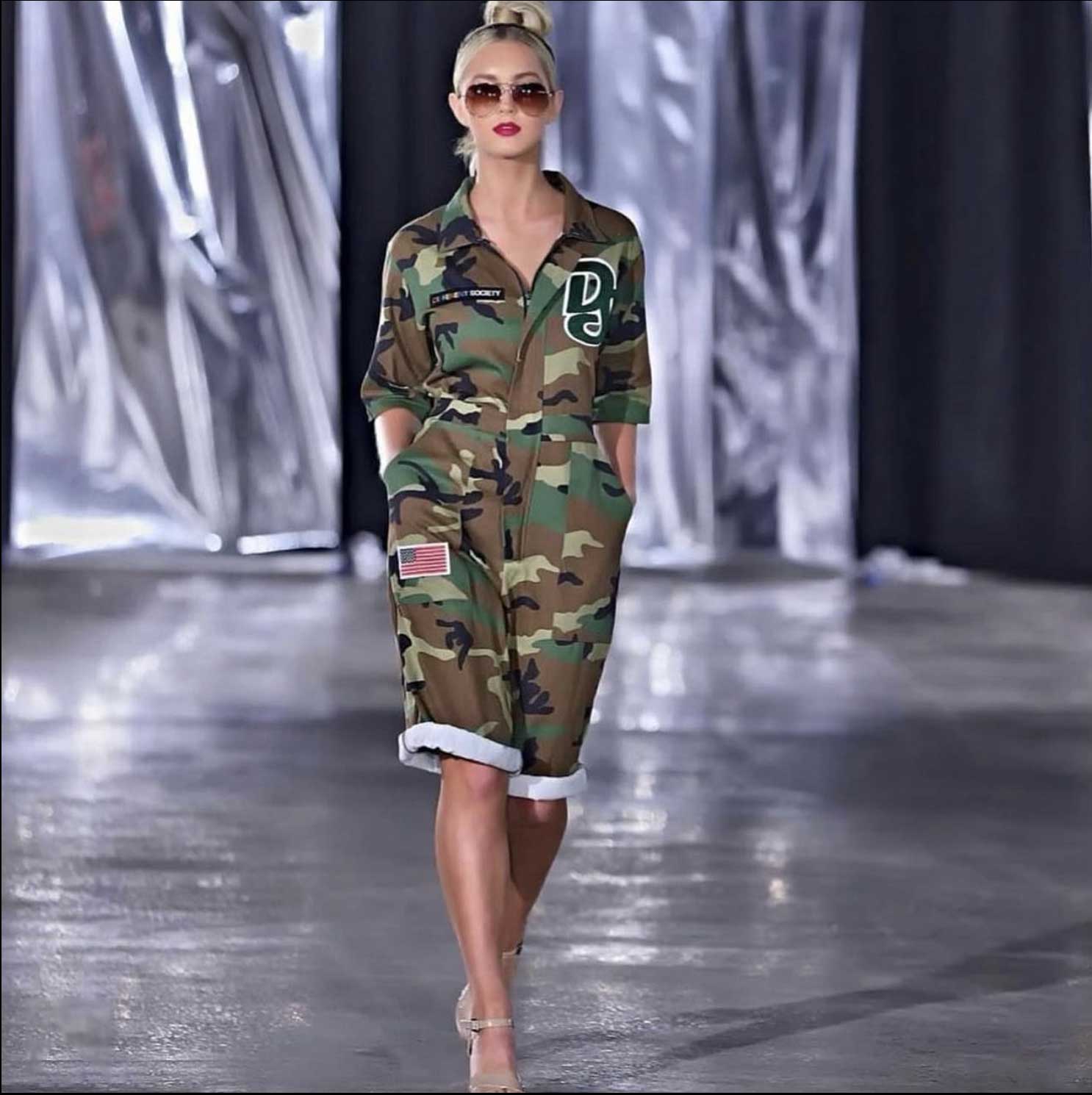
The runway show is the format that makes it work. Twenty minutes of models presenting a collection look by look communicates more about a designer’s vision than any lookbook — the movement, the styling, the music, the room’s reaction. Multiply that by dozens of shows across a week, and you have fashion week: part product launch, part trade show, part theater.
And part cultural event — because what happens on those runways in September sets the agenda for what the world wears the following spring. Fashion week isn’t reporting on trends; it’s where trends are decided.
The Big Four, and the Month-Long Sweep
Twice a year, the fashion world makes the same trip in the same order: New York first, then London, then Milan, then Paris — the “big four,” swept across in roughly a month. New York opens each season; Paris closes it. Each city has its own reputation: New York for commercial energy and new talent, London for experimentation, Milan for craftsmanship and the great Italian houses, Paris for heritage and the industry’s final word.
The timing follows fashion’s seasons, which run ahead of the calendar. Shows in September and October preview the following spring/summer; shows in February and March preview fall/winter. The lead time isn’t theater — it’s logistics. Press need months to shoot and publish; buyers need months for orders to be manufactured and shipped before the clothes reach stores.
Beyond the big four, dozens of cities run credible fashion weeks of their own — and Los Angeles is a leading example, where The Bureau produces seasons each March and October alongside its New York and Paris calendars. (LA’s wider runway scene — and how to actually get into it — is mapped in fashion shows in Los Angeles.)
| New York | February & September — opens each global season. The Bureau’s NYFW: Sep 11–13, 2026 at Gotham Hall, then Feb 11–14, 2027. |
| London | Follows New York — the experimental capital of the big four. |
| Milan | Third stop — home of the great Italian houses. |
| Paris | Closes the season — fashion’s deepest heritage. The Bureau’s Paris seasons run March & October. |
| Los Angeles | The Bureau’s west-coast seasons, March & October — next: Oct 16–18, 2026, GA from $65. |
Born in Wartime New York
Fashion presentations are old — Paris couture houses were showing collections to private clients long before anyone said the words “fashion week.” But the organized fashion week — one city, one calendar, many designers, assembled press — was invented in New York, in the middle of World War II.
In 1943, publicist Eleanor Lambert founded “Press Week” so American journalists, cut off from occupied Paris, could see what American designers were making. It was a bet that American fashion deserved its own stage — and it paid off. Editors who had treated American design as an afterthought started putting it on covers, and the format Lambert invented spread to every fashion capital on earth.
The decades since have been a story of the format evolving city by city — in New York alone, from scattered showrooms to the Bryant Park tents (1993), to Lincoln Center (2010), to today’s decentralized model where multiple producers stage officially calendared shows across the city. The What Is NYFW guide tells that New York story in full.
Who’s in the Room, and Why
A modern fashion week is an ecosystem with clearly defined roles. Understanding them explains almost everything you see in fashion week coverage — including why the front row looks the way it does.
Designers & Brands
The reason everyone’s there. Established houses defend their position; emerging designers fight for their breakthrough. A strong show can change a label’s trajectory in twenty minutes.
Press & Media
Editors, journalists, photographers, and content creators. They decide what the world sees from each collection — which is why their seats are the ones closest to the runway.
Buyers
The commercial engine. Retail buyers watch collections to decide what their stores will stock next season. No buyers, no orders; no orders, no brand.
The Public
The newest seat at the table. At publicly ticketed shows — like The Bureau’s in New York, LA, and Paris — regular guests share the room with the industry. Who can attend? →
One more constituency funds much of what you see: sponsors. Brand partners underwrite the production in exchange for on-site presence and campaign visibility — at The Bureau’s fashion weeks, sponsorship is category-exclusive: one partner per category, per season.
Structurally, most fashion weeks run on an official calendar — a coordinated schedule so shows don’t collide and the industry can physically get from one to the next. Producers stage shows on that calendar: some are single-brand productions, others are multi-designer platforms. Historically, nearly all of them shared one trait: you could not buy a seat. Seats were allocated — to press, to buyers, to clients — never sold. Which brings us to the part that changed.

From Industry-Only Ritual to Something You Can Attend
For roughly seventy years, fashion week was a spectator sport you watched from outside — through magazines, then blogs, then livestreams and social feeds. The digital era put billions of eyes on the runway while the rooms themselves stayed sealed. That gap — enormous public appetite, zero public access — is the defining tension of modern fashion week.
Public ticketing is the answer to it. The Bureau Fashion Week produces fashion week seasons in New York, Los Angeles, and Paris built on exactly this model: real runway shows, on real fashion week calendars, with a limited number of tickets anyone can buy. No credentials, no PR contact, no “knowing someone.” The mission, in the company’s own words: open the global runway to the talent and brands shaping what’s next — designers on one side, guests on the other.
Does the public actually show up? Emphatically. The Bureau’s events draw 12,000–15,000+ in-person guests per event, roughly 40% of NYFW attendees are first-timers, and guests rate the experience 4.9/5 across 2,400+ reviews. The room that used to be the most exclusive in fashion turns out to work beautifully with the doors open.
To be clear about what hasn’t changed: legacy invite-only brand shows still exist and still don’t sell seats. The shift isn’t that every door opened — it’s that, for the first time, some officially calendared doors did. You just have to know which ones.
Your Actual Path Into a Fashion Week
Here’s the practical playbook, start to finish:
| 1. Pick a season | NYFW: September 11–13, 2026 at Gotham Hall (the flagship, from $105) or LA: October 16–18, 2026 (from $65). Paris runs March & October for the pilgrimage version. |
| 2. Pick a tier | General Admission gets you in the room; Reserved gets you a guaranteed seat; Front Row VIP gets you row 1. Every tier sees the same show. |
| 3. Buy the ticket | Public checkout, no credentials. Afterpay splits any tier into 4 interest-free payments, and tickets transfer freely. |
| 4. Plan the trip | NYFW is a one-venue weekend in Midtown Manhattan — hotels, subway, done. LA is a car-based weekend. Both fit in 2–3 days. |
| 5. Show up early | Doors open before each show; arrive 30–45 minutes ahead. Dress like you mean it — there’s no dress code, but the sidewalk is part of the show. |
And what happens once you’re inside? The room fills by tier, the lights drop, and designers present their collections look by look down the runway — single-designer segments run 20–35 minutes, multi-designer programs up to two hours, photographers massed at the end of the catwalk, the crowd filming what they love. It is exactly the thing you’ve seen on screens your whole life, except you’re in it.
For the New York–specific deep dive — the history, the venue, the season, the tiers — continue to What Is NYFW?, then how to attend, step by step. First-timers should also skim the first-timer tips — twenty minutes of reading that upgrades the whole weekend.
The Next Fashion Week You Can Attend
New York Fashion Week · September 11–13, 2026 · Gotham Hall. 11 runway shows, 100+ designers, and public tickets from $105 — no credentials required. NYFW returns February 11–14, 2027 — tickets are on sale now.
Get Tickets — From $105