

Who Can
Attend
NYFW?
Gotham Hall, 1356 Broadway
Herald Square · Midtown Manhattan
Anyone can attend New York Fashion Week — at The Bureau’s shows, a ticket is your access. No industry credentials, no press pass, no connections, no application. The Bureau Fashion Week is an officially calendared NYFW producer that releases public tickets each season, and roughly 40% of its attendees are first-timers. The September 2026 season runs September 11–13 at Gotham Hall — 11 shows, 100+ designers, tickets from $105 during the September 2026 season. Invite-only brand shows elsewhere in Manhattan remain closed — which is exactly why this distinction matters.
You. The Answer Is You.
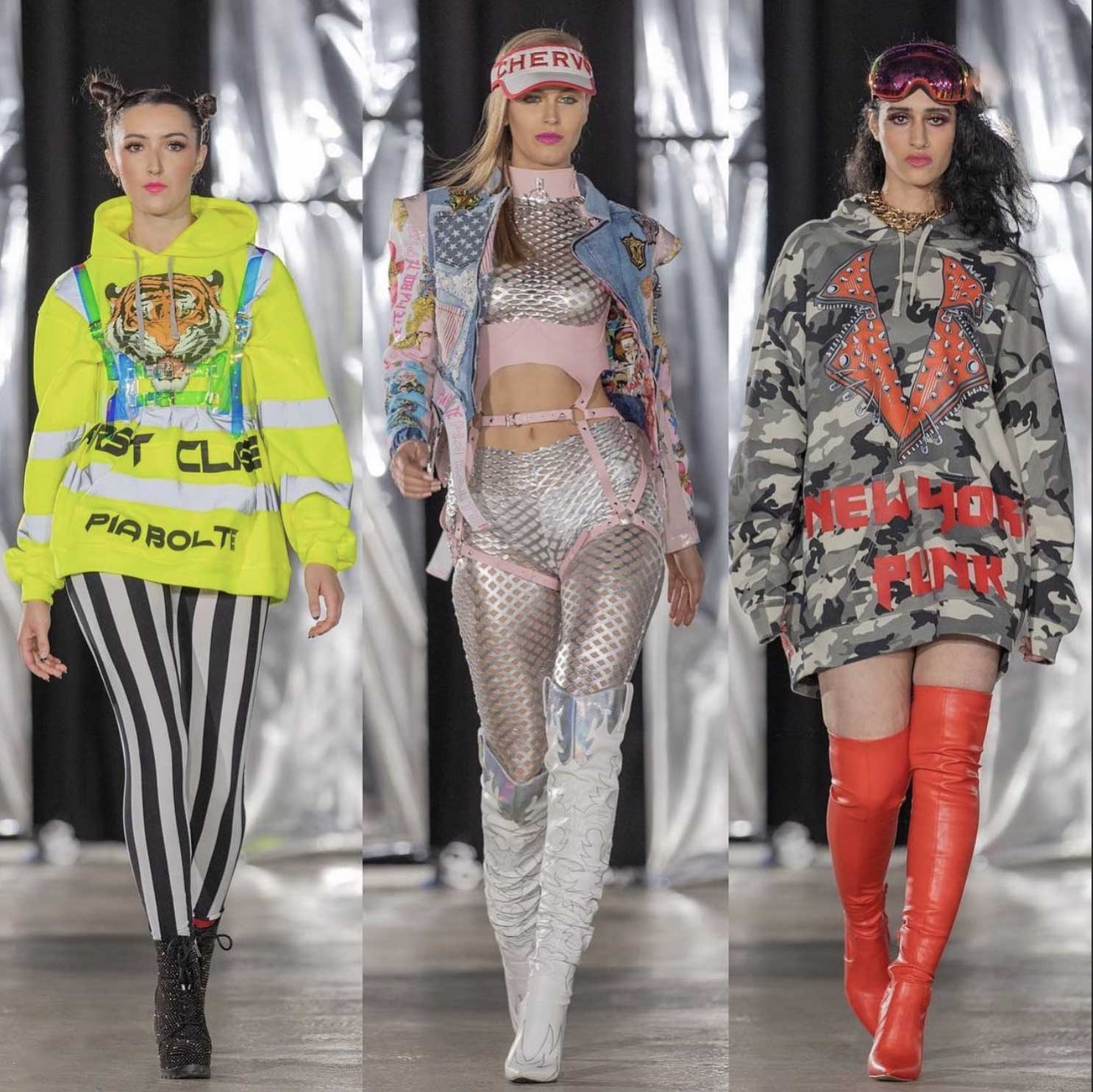
Let’s skip the suspense. If you are asking “who can attend NYFW?” because you suspect the real answer is “not me,” you’re wrong in the best possible way. The Bureau’s New York Fashion Week shows are open to the public. You do not need to work in fashion. You do not need a press badge, a buyer’s appointment, an influencer following, or a friend at a magazine. You need a ticket, and tickets start at $105.
Here is the precise, honest version of the answer, because precision matters when a myth is this durable. Modern NYFW is a city-wide calendar of shows staged by multiple producers. Legacy brand shows remain invite-only — seats go to editors, buyers, celebrities, and clients, and there is no way to buy in. The Bureau Fashion Week is an officially calendared NYFW producer with a different model: a limited number of public tickets are released each season. Same official calendar, same week in September, same city — but with a checkout page where the velvet rope used to be.
The receipts: The Bureau’s shows are rated 4.9/5 by more than 2,400 guests, and roughly 40% of attendees each season are first-timers. This is not a technicality or a side door. It is a large, public, professionally produced runway program — 11 shows and 100+ designers this September — built to be attended by people exactly like you.
Seventy Years of “Invite Only” Is a Hard Habit to Break
The myth isn’t irrational — it’s just outdated. For most of its history, New York Fashion Week genuinely was closed to the public, and understanding that history explains why your instincts are lying to you.
It began in 1943 as “Press Week,” organized by publicist Eleanor Lambert so American journalists — cut off from Paris by World War II — could see American designers’ work. The name tells you everything about the guest list: press. For the next several decades, the event existed for the industry, by the industry. When the shows consolidated under the Bryant Park tents in 1993 and moved to Lincoln Center in 2010, the format professionalized but the door policy didn’t budge: seats were allocated, never sold. If you weren’t an editor, a buyer, a celebrity, or a client, there was no mechanism — at any price — to get in.
Then, in 2015, NYFW decentralized. The single-venue era ended, and the week became what it is today: an official calendar coordinating shows from many producers in venues across Manhattan. That structural change created something the tents never allowed — room for producers with a public-access model. The Bureau is one of them, producing fashion weeks in three markets: New York, Los Angeles, and Paris, with NYFW as the flagship season.
So when a coworker tells you “you can’t just go to fashion week,” they’re accurately describing 1943–2014. For the full backstory of the week itself, read what is NYFW.
The Crowd Is Broader Than You’ve Been Told
Picture the audience at a Bureau NYFW show and you should picture a genuine cross-section, not a monoculture of sunglasses-indoors editors. On any given night at Gotham Hall, the roughly 1,500-capacity room holds:
| Industry | Editors, media, buyers, and stylists — attending professionally, often on separately issued credentials. They’re real, they’re present, and they’re a minority of the room. |
| Creators | Influencers and content creators shooting the runway and the crowd. Photography from your seat is welcome at every tier, so the line between “creator” and “attendee with a phone” is thin. |
| Fashion fans | Design students studying construction up close, longtime fashion obsessives, and people who follow the industry the way others follow sports. |
| First-timers | Roughly 40% of every season’s attendees. Tourists building a New York trip around it, locals finally crossing it off the list, people who saw one reel and decided this was the year. |
| Couples & groups | Date nights, birthdays, anniversaries, friend-group trips. Group tickets exist because groups keep coming. |
The practical takeaway: whatever category you think you fall into, someone in that category is already in the room every season. Nobody asks what you do for a living at check-in, and the person in the next seat is as likely to be on their first runway as their fiftieth. If you’re a creator wondering how to work the week professionally, the NYFW for influencers guide goes deeper.
Students to Retirees — and What to Check Before You Book
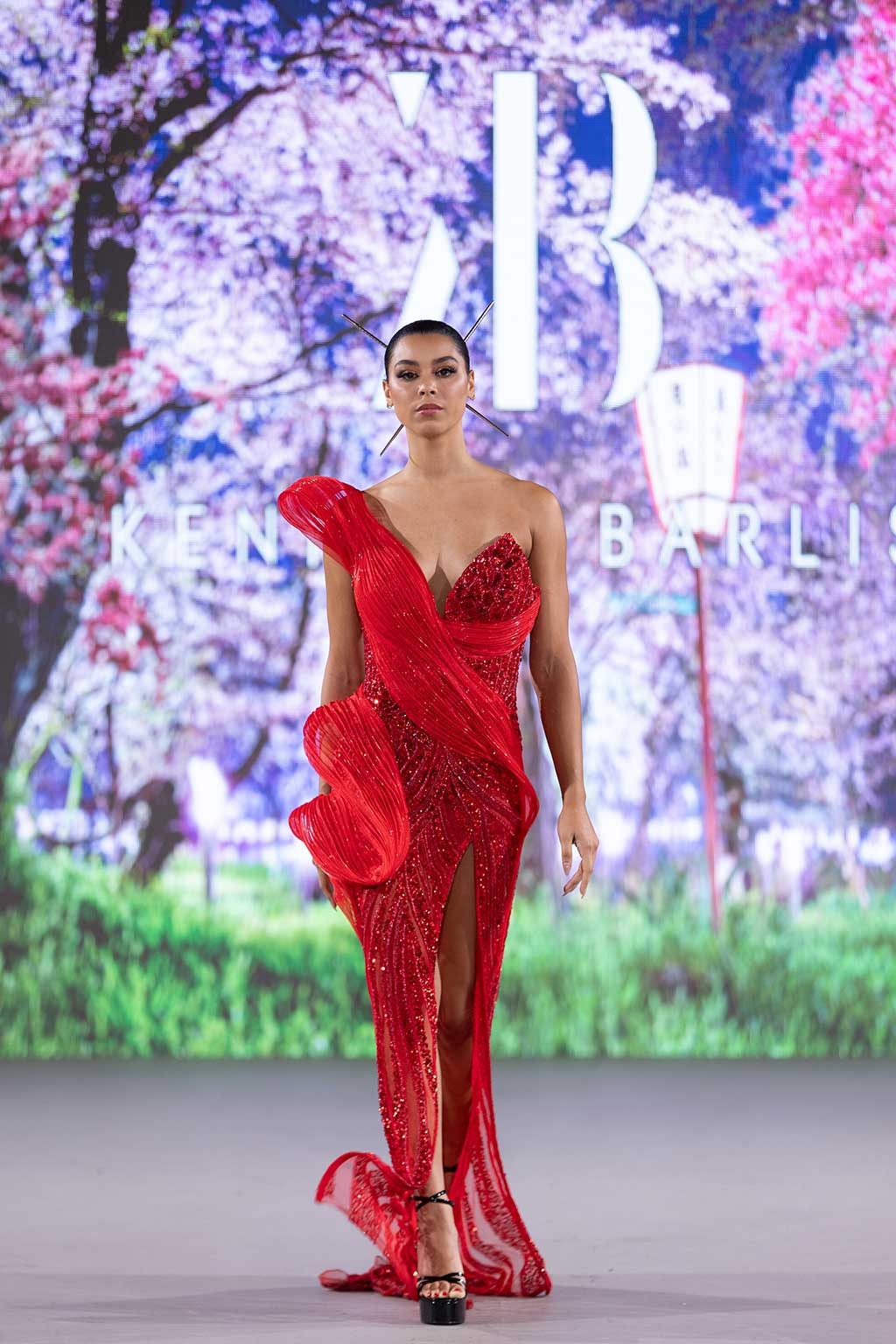
Age is the second-most-common worry after credentials, and the honest answer is that the room spans generations. Design students sit near retirees who’ve been reading September issues since the Bryant Park era; parents bring fashion-obsessed teens as milestone gifts; twenty-somethings make it a birthday centerpiece. Fashion week rewards enthusiasm, not a birth year.
That said, don’t take a guide’s word for policy details: check the specifics for your show on the tickets page before checkout — that’s where any age guidance for a given show or tier lives, and it’s always current.
Two other practical notes while you’re checking. First, evening shows run late by design — Friday through Sunday all close with 8:30 PM shows, and multi-designer showcases run 90–120 minutes, so plan transport accordingly. Second, Gotham Hall is in the middle of Midtown — Herald Square subway one block away, Penn Station about three blocks — which makes it one of the easiest big-event venues in Manhattan for guests of any age to reach. The venue guide covers the logistics in full.
No Dress Code Is Enforced. Everyone Dresses Up Anyway.
Here’s the paradox that trips up first-timers: there is no enforced dress code at The Bureau’s NYFW shows — you will not be turned away at the door for your outfit — and yet almost everyone dresses up. Both things are true, and understanding why makes the whole thing less stressful.
People dress up because the event rewards it. The sidewalk outside Gotham Hall functions as an informal street-style runway before every show; inside, a 1924 Beaux-Arts ballroom with marble columns and a domed ceiling has a way of making effort feel appropriate rather than excessive. The range is genuinely wide — editorial statements, sharp tailoring, polished street style, vintage finds — and the unifying thread isn’t expense, it’s intention. A $60 thrifted look worn with conviction reads better in that room than a nervous designer outfit.
So the real dress code is this: wear the best version of your own taste, in shoes you can stand in, and you belong. For tier-by-tier outfit direction, the what to wear guide breaks it all down, and the etiquette guide covers the unwritten rules beyond the wardrobe.
The Mechanics: Tiers, Prices, and Show Week
Since access is the entire subject of this page, here is exactly how it works at The Bureau. Each season, a limited number of public tickets are released across three per-show tiers, plus day passes and full-event passes. Every tier watches the same shows; the difference is where you sit and what comes with the seat.
| General Admission | $105–$145 per show — full show access, seated best-available within the GA section. |
| Reserved Seating | $130–$225 per show — a guaranteed seat with clear sightlines. |
| Front Row VIP | $225–$720 per show — row 1, priority entry, the full spectacle at arm’s length. |
| Day Passes | GA from $345 — every show on one day. VIP and Room 16 day-pass tiers available. |
| Full Event | Ultra VIP $3,695 (22 remaining) · Room 16 $4,245 · The Ultimate $6,495 — all 11 shows. |
Three mechanics worth knowing. NYFW returns February 11–14, 2027 — tickets are on sale now — tickets are on sale now, so the earlier you book, the less this costs. Afterpay is available on every tier, splitting any ticket into four interest-free payments. And tickets are non-refundable but freely transferable, with optional ticket protection at checkout — so a change of plans doesn’t strand your money.
From here, the path is short: the step-by-step attendance guide walks you from browsing to the door, the ticket types guide compares tiers in depth, and the cost guide handles total-trip budgeting.
You Were Always on the List. Now There’s a Ticket.
New York Fashion Week by The Bureau · September 11–13, 2026 · Gotham Hall. 11 runway shows, 100+ designers, open to the public. NYFW returns February 11–14, 2027 — tickets are on sale now — Afterpay available.
Get Tickets — From $105